
Why sell to us
Decoding ISO Metric Bore Codes and Basic Designations
When determining how to identify a bearing part number, the most critical starting point is the basic designation, which typically consists of three to five digits. This foundational code reveals the bearing type, series, and bore diameter, providing the essential specifications needed to evaluate surplus inventory. For example, in a standard deep groove ball bearing like a 6205, the first digit indicates the bearing type, the second digit represents the dimension series, and the final two digits represent the bore code. Multiplying those last two digits by five yields the bore diameter in millimeters, meaning a 05 bore code translates to a 25-millimeter inner diameter. This standardized ISO metric system applies across major manufacturers like SKF, FAG, and NTN, allowing maintenance planners to quickly assess the core dimensions of unboxed or loosely stored components on their shelves. Understanding this baseline logic is the first step in cataloging obsolete spares that have accumulated after line changeovers or capital project completions.
Beyond the basic dimensions, the prefix and suffix codes attached to the main part number carry equally important information regarding the bearing's internal design and external features. Suffixes often dictate the type of seals, shields, cage materials, and internal clearance, which drastically affect the component's application and overall value. A designation ending in 2RS indicates rubber seals on both sides, while a ZZ suffix denotes metal shields, and a C3 suffix specifies a radial internal clearance greater than normal. In tapered roller bearings from brands like Timken, the part number logic shifts to a cone-and-cup pairing system, where the inner assembly and outer ring carry distinct numbers that must be matched correctly. Recognizing these nuanced variations prevents valuable precision components from being misidentified as standard hardware, ensuring that storeroom leads can accurately document their excess stock and secure top dollar when liquidating unused MRO assets.
What we buy
Navigating Brand-Specific Markings and Interchange Logic
While the ISO metric system provides a reliable framework for standard components, learning how to identify a bearing part number becomes more complex when dealing with proprietary brand markings and specialized industrial units. Manufacturers such as Dodge, Rexnord, and Sealmaster often utilize unique nomenclature for their mounted units, pillow blocks, and split housings, which do not strictly adhere to standard metric bore codes. In these instances, the part number stamped on the cast iron housing may differ from the insert bearing housed within it, requiring careful inspection of both elements. Furthermore, legacy brands like Torrington, Fafnir, and McGill employ specific alphanumeric sequences for their needle rollers and cam followers that require cross-referencing with manufacturer catalogs. Plant engineers assessing a spares pool must look closely at the raceways, outer rings, and original packaging to locate these specific identifiers, as even a single differing letter can indicate a completely different load capacity or operating temperature range.
The ability to accurately cross-reference and interchange these part numbers is vital when evaluating a mixed lot of surplus bearings accumulated over decades of plant operations. Many facilities hold identical bearings produced by different manufacturers, such as an SKF spherical roller bearing and its exact equivalent manufactured by INA or NSK. Understanding the interchange logic allows maintenance teams to consolidate their inventory records and recognize the true scope of their excess stock. When original cartons are degraded or missing, inspecting the preservative grease film and VCI anti-corrosion paper can sometimes provide clues to the manufacturer's origin, but the stamped part number remains the definitive source of truth. By meticulously recording these specific brand designations and suffixes, industrial facilities can present a clear, accurate inventory list to buyers, ensuring that high-value components are recognized for their usable mechanical worth rather than being relegated to the scrap bin.
How it works
Turning Identified Surplus Bearings Into Working Capital
Once your maintenance team has successfully determined how to identify a bearing part number across your surplus inventory, the next step is transforming those idle assets into recovered capital. The process begins by compiling a straightforward list of the identified part numbers, quantities, and the condition of the packaging, noting whether the items are in original cartons, show signs of shelf wear, or have minor surface rust versus actual raceway pitting. You do not need to spend hours creating a perfectly formatted spreadsheet; a simple list or clear photographs of the part numbers and boxes are sufficient for our evaluation. We review the provided information to assess the industrial value of your components, focusing on their viability as usable parts rather than their raw material weight. Because we understand the specific applications and market demand for brands like Koyo, NACHI, and Barden, we can offer top dollar for your excess MRO stock, ensuring a return that far exceeds standard scrap yard rates.
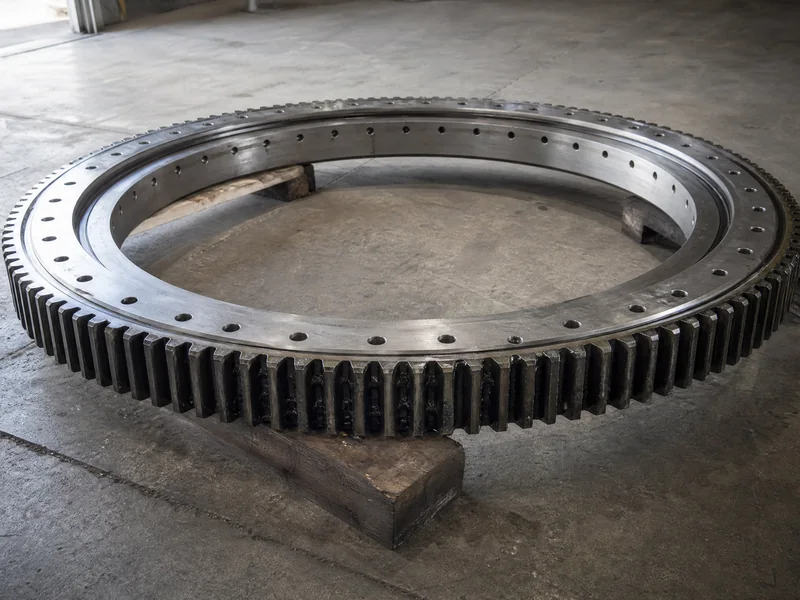
After agreeing on the valuation, we handle all the logistical complexities of moving the heavy industrial components out of your facility. We arrange and pay the freight entirely, coordinating the transportation details to align with your plant's schedule and loading capabilities. Whether your surplus consists of a few pallets of deep groove ball bearings requiring a liftgate or a full truckload of heavy slewing rings and take-up units, we manage the bills of lading and dispatch the appropriate carriers. Payment is made upfront before any material leaves your dock, providing immediate financial finality and eliminating any risk on your end. With no minimum lot size required, this streamlined transaction allows storeroom leads and plant managers to efficiently clear out obsolete spares, free up valuable rack space, and inject capital back into their maintenance budgets without logistical headaches.
Everything we take
Checklist
- Locate the basic designation on the outer ring
- Identify ISO metric bore codes for dimensions
- Check suffixes for seal and shield types
- Note internal clearance indicators like C3
- Match cone-and-cup numbers for tapered sets
- Inspect cast housings for mounted unit codes
- Record brand-specific proprietary prefixes
More on counting and part numbers
Common questions
Questions sellers ask
Where is the part number typically located on a bearing?
The part number is usually stamped or laser-etched on the face of the inner or outer ring. If the component is still in its original packaging, the full designation will be printed on the box label.
How do I identify a bearing if the part number is worn off?
If the number is illegible, you must measure the inner diameter, outer diameter, and width using digital calipers. These precise measurements can then be cross-referenced with manufacturer catalogs to determine the exact part number.
Do different brands use the same bearing part numbers?
Many standard metric bearings share the same basic ISO part number across major brands like SKF, FAG, and NTN. However, the prefixes and suffixes denoting specific features like cage material and seals often vary by manufacturer.
What does the suffix in a bearing part number mean?
Suffixes indicate internal design variations and external features that differ from the base model. Common suffixes specify the type of seals, shield materials, cage designs, and internal radial clearance.
Why is the part number important when selling surplus bearings?
The exact part number dictates the bearing's specifications, application, and market demand, which directly determines its value. Accurate identification ensures you receive top dollar based on the component's usability rather than its scrap weight.
Ready to move the inventory?
If you have successfully identified the part numbers in your surplus inventory and are ready to clear out obsolete spares, we are here to purchase your excess stock. We buy all types of industrial bearings from MRO storerooms and plant shutdowns, offering top dollar paid upfront before pickup. We arrange and pay the freight, handling everything from LTL shipments to full truckloads with no minimum lot size required. Contact us today at 954-740-1983 or email your inventory list to electricalequipmentbuyers@gmail.com to turn your unused components into recovered capital.