
Seller decision guideEvidence-led review

Asset Recovery & Evaluation

Sell Your Industrial Bearing Inventory

To guide industrial facilities, storerooms, and distributors in identifying and submitting surplus bearing inventory for valuation and potential sale.

  • Part numbers & quantity
  • Current condition photos
  • Packaging & loading facts

A submission starts a review. It does not guarantee purchase, price, freight, loading, removal, payment, or timing.

Palletized boxes of industrial bearings in a warehouse setting ready for inventory review
Seller decision guideCompare disposition paths and prepare a documented commercial submission.

Commercial inventory context

Evidence before an outcome

Facilities facing equipment changes, line shutdowns, or storeroom consolidation need a structured way to evaluate and offload excess bearings that are no longer operationally required.

Identify
Manufacturer, full part number, suffix and packaging
Document
Quantity, condition, ownership and release status
Plan
Staging, pallet or crate status, access and loading facts
01

Evaluating Your Surplus Bearings

Identifying the exact specifications of your excess bearings is the first step in the recovery process. Our evaluation relies on precise part numbers, manufacturer brands, and the condition of the factory packaging. Whether you are clearing out a maintenance storeroom or managing inventory after a facility upgrade, accurate documentation helps determine the functional value of your components.

02

Condition and Storage Requirements

The physical condition of the bearings directly impacts their viability for reuse. We look for inventory that has been stored in controlled environments, maintaining the integrity of seals and rust preventatives. While new-in-box items are preferred, we also consider selected unused inventory with shelf wear or verified used bearings, provided there is clear evidence of their condition and proper handling.

03

The Inventory Review Process

Submitting your inventory for review involves providing comprehensive details, including clear photographs of labels, packaging, and the bearings themselves. Once we receive your inventory list and visual evidence, we assess the demand and condition to determine a potential offer. Logistics, including freight and loading requirements, are discussed and confirmed case by case following the initial review.

Qualification framework

What a bearing buyer can evaluate from the record

Separate what the inventory is, what condition evidence shows, and which transaction facts still need review.

01

Inventory fit

  • New-in-box surplus bearings
  • Unused bearings with shelf wear
  • Obsolete inventory from decommissioned lines
  • Selected used bearings with verified operational condition
02

Condition flags

  • Corrosion or rust from improper storage
  • Contamination in open or unsealed units
  • Missing components in matched sets
  • Unverifiable origin or excessive wear on used units
03

Review inputs

  • Manufacturer brand and exact part numbers
  • Condition of factory packaging and seals
  • Current industrial demand for specific configurations
  • Completeness of matched sets or assemblies

Freight arrangements are determined after inventory review Loading requirements depend on lot size and palletization Payment terms are confirmed case by case

Verified catalog

Explore seller guides

Choose the page that most closely matches the actual inventory or seller question.

Page-specific guidance

Questions before you submit

Answers define what to document. They do not create a purchase, price, pickup, freight, loading, payment, removal, or timing commitment.

What types of bearings do you review for purchase?

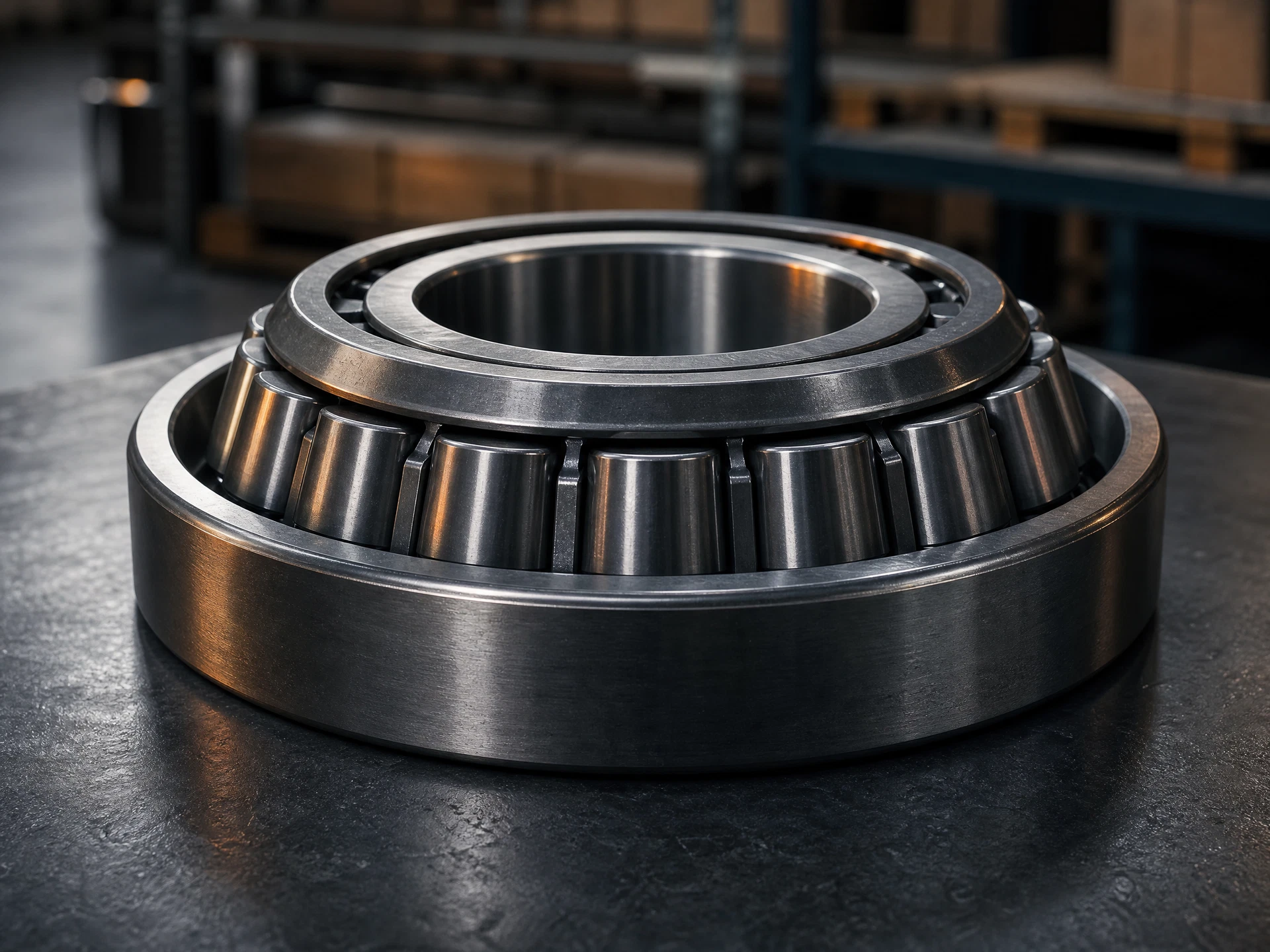
We review a wide range of industrial bearings, including tapered roller, spherical roller, and mounted units. The primary focus is on surplus, excess, or obsolete inventory from industrial facilities and distributors.

Do you consider used bearings?

Yes, we consider selected used inventory, but only when accompanied by clear evidence of its condition, proper handling, and verifiable operational history.

How are freight and shipping handled?

Freight, loading, and transportation terms are evaluated and confirmed on a case-by-case basis after a complete review of your inventory and its location.

Private inventory submission

Start with the bearing evidence you have

Connect part numbers and quantities to current lot, label, packaging, and condition photos. Do not send confidential plant records or payment information.

  • Server-validated submission
  • Private owner review
  • No automatic purchase or price promise
01 / ContactWho controls this inventory?
02 / IdentificationWhat is on the shelf?

Submitted details and attachments are available only to the authenticated project owner.

CallQuote