
Why sell to us
Organizing Your Surplus Bearing Inventory
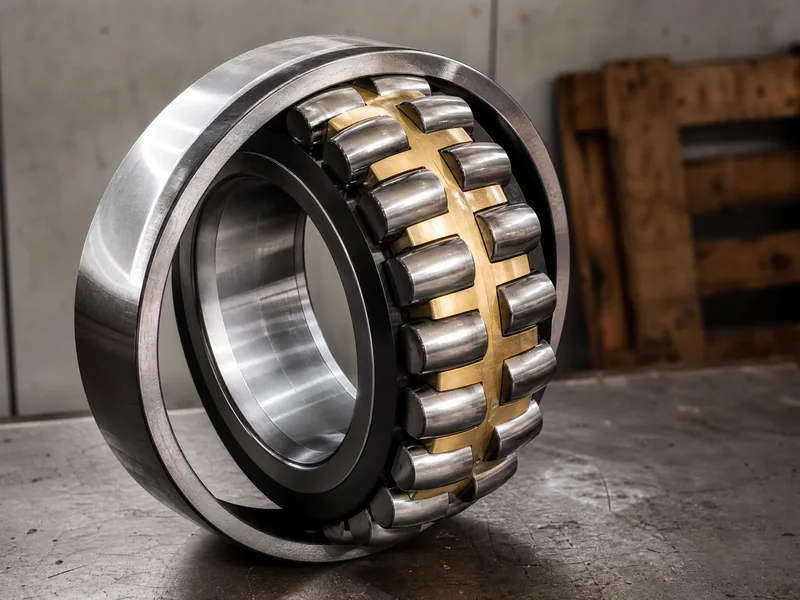
The process of figuring out how to inventory bearings before selling begins with systematic organization and accurate identification of the components currently sitting on your storeroom shelves. Plant shutdowns and routine maintenance audits frequently uncover a wide variety of surplus parts, ranging from heavy-duty spherical roller bearings to precision angular contact units. To create an effective inventory list, start by grouping the bearings by their manufacturer, such as SKF, Timken, FAG, or Dodge, as brand recognition plays a significant role in determining the overall value of the lot. Once sorted by brand, record the complete part numbers found on the original packaging or stamped directly onto the bearing races. It is crucial to capture every prefix and suffix, including ISO metric bore codes and dash-number suffixes that indicate specific seal types, cage materials, or internal clearances. These detailed part numbers provide buyers with the exact specifications needed to evaluate the components accurately, ensuring you receive an offer that reflects their true industrial utility rather than just their raw material weight.
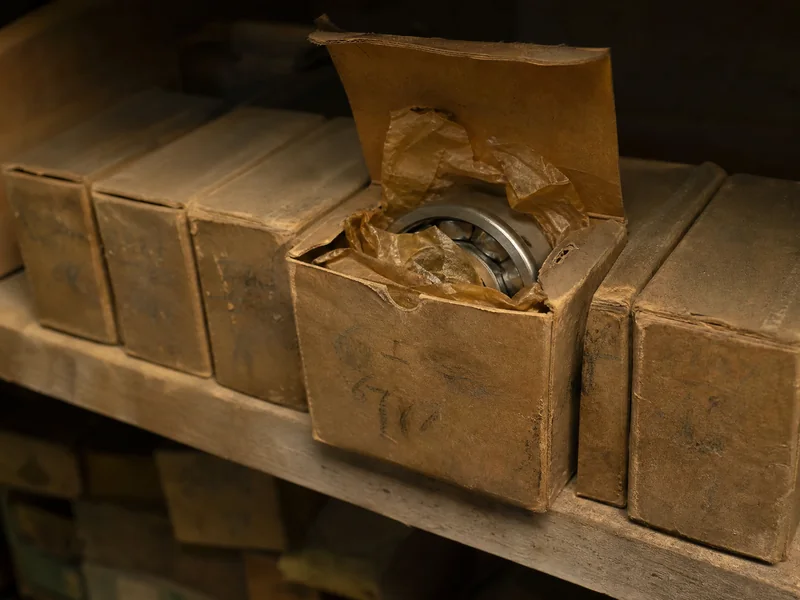
Beyond simply listing part numbers, a comprehensive inventory must also document the physical condition and packaging status of each bearing. MRO storerooms often contain a mix of factory-sealed boxes, opened cartons with shelf wear, and loose bearings wrapped in VCI anti-corrosion paper. When recording your inventory, note whether the original cartons are intact, dented, or missing entirely, as original packaging significantly enhances the component's appeal. For bearings without boxes, inspect the protective preservative grease film and check for any signs of surface rust or raceway pitting, which can affect their usability. Documenting these condition realities upfront prevents misunderstandings and allows buyers to provide a firm, accurate valuation based on the actual state of your surplus stock. By taking the time to meticulously catalog both the technical specifications and the physical condition of your excess bearings, you streamline the evaluation process and position your facility to secure the highest possible return for components that are no longer needed for your current operational requirements.
What we buy
Capturing Technical Details for Accurate Valuation
When you are determining how to inventory bearings before selling, capturing the nuanced technical details of your surplus stock is essential for maximizing your financial return. Industrial facilities frequently accumulate specialized components like tapered roller cone-and-cup sets, heavy split housing units, and high-speed spindle bearings that require precise documentation. Your inventory spreadsheet should clearly distinguish between different bearing types, noting whether a particular item is a standard deep groove ball bearing, a robust cam follower, or a complex slewing ring. Furthermore, if your storeroom contains matched sets or specific interchange equivalents across brands like NSK, NTN, or Koyo, highlighting these relationships can add significant value to your overall lot. Maintenance leads should also record any specialized features, such as high-temperature lubricants, specialized coatings, or custom modifications that were originally specified for unique plant machinery. Providing this level of granular detail demonstrates the true industrial capability of your surplus inventory, allowing specialized buyers to assess the components as vital operational assets rather than generic scrap metal.
In addition to technical specifications, an effective inventory process must account for the logistical realities of moving heavy industrial components from your facility to the buyer. As you catalog your surplus bearings, take note of the total volume and estimated weight of the lot, as this information is critical for planning the subsequent freight arrangements. Document how the bearings are currently stored, whether they are loose on shelving units, packed in heavy-duty corrugated boxes, or already secured on wooden pallets with stretch wrap and proper dunnage. Understanding the physical footprint of your surplus stock helps buyers determine whether the shipment will require a dedicated less-than-truckload service or a full truckload dispatch. You should also assess your facility's loading capabilities, noting the availability of standard dock heights, heavy-duty forklifts, and personnel to assist with the loading process. By integrating these practical logistical details into your initial inventory assessment, you ensure a seamless transition from the storeroom shelf to the final outbound shipment, eliminating potential delays and facilitating a smooth, professional transaction.
How it works
Finalizing the Sale of Your Inventoried Bearings
Once you have mastered how to inventory bearings before selling and compiled a detailed list of your surplus components, the next step is submitting that information for a comprehensive professional valuation. You can easily share your completed spreadsheet, along with clear photographs of the bearings and their packaging, directly with our purchasing team for an immediate review. We analyze the specific part numbers, brands, and condition notes you have provided to determine the true market value of your excess MRO stock. Because we evaluate these items as functional industrial components rather than bulk steel, our offers consistently exceed standard scrap yard rates. We pride ourselves on delivering prompt, transparent valuations, ensuring that plant engineers and storeroom managers understand exactly what their surplus inventory is worth. There is absolutely no minimum lot size required to initiate a transaction, meaning we are fully equipped to purchase everything from a single pallet of obsolete pillow block bearings to an entire warehouse full of discontinued OEM overstock.
After you accept our formal purchase offer, we handle all the complex logistical details required to remove the surplus bearings from your facility efficiently. We recognize that industrial maintenance teams have demanding schedules, so we take the burden of freight coordination entirely off your shoulders. Our team will arrange and pay for all transportation costs, scheduling the pickup at a time that minimizes disruption to your ongoing plant operations. Whether your facility requires a standard LTL carrier or a specialized truck with a liftgate, we manage the bills of lading and ensure the appropriate equipment is dispatched to your location. Most importantly, we process your payment upfront before any freight leaves your loading dock, providing complete financial security and immediate capital recovery for your department. By streamlining the entire process from the initial inventory review to the final outbound shipment, we make it incredibly simple for industrial facilities to clear out valuable storeroom space and monetize their excess bearing inventory without any unnecessary administrative headaches.
Everything we take
Checklist
- Record complete manufacturer part numbers
- Note the brand names like SKF or Timken
- Document the condition of original packaging
- Identify specific bearing types and styles
- Take clear photos of the surplus inventory
- Estimate the total weight and pallet count
- Assess facility loading dock capabilities
More on counting and part numbers
Common questions
Questions sellers ask
What is the best way to format my bearing inventory list?
The most effective method is to use a simple spreadsheet that includes columns for the brand, complete part number, quantity, and condition. This structured format allows buyers to quickly review your surplus stock and provide an accurate valuation. Including notes about the packaging status also helps streamline the evaluation process.
Do I need to include photographs when I inventory bearings before selling?
Yes, taking clear photographs of your surplus bearings and their original cartons is highly recommended. Images help verify the condition of the packaging and the components themselves, which is crucial for determining their true value. Visual documentation complements your written inventory and accelerates the purchasing decision.
Should I open sealed boxes to inspect the bearings inside?
You should never break the factory seals on original bearing cartons during your inventory process. Factory-sealed packaging significantly increases the value of the components, as it ensures the bearings have not been exposed to environmental contaminants. Simply record the part numbers printed on the outside of the sealed boxes.
How do I handle bearings that have lost their original packaging?
For loose bearings, carefully read the part numbers stamped directly onto the metal races and record them in your inventory. You should also note the presence of any protective grease film or surface rust, as this impacts usability. We purchase loose bearings as long as they remain in good functional condition.
Who pays for the freight once the inventory is sold?
We arrange and pay for all freight costs associated with transporting your surplus bearings from your facility to our location. Our team handles the logistics, including scheduling the appropriate trucks and managing the bills of lading. You receive your payment upfront before the shipment ever leaves your loading dock.
Ready to move the inventory?
If you have completed your storeroom audit and are ready to turn your surplus components into working capital, we are here to help. We specialize in purchasing excess industrial bearings from MRO storerooms, offering top dollar for your obsolete and overstock parts. Our streamlined process ensures you receive payment upfront before any material leaves your facility, and we handle all the freight arrangements at no cost to you. Contact our purchasing team today at 954-740-1983 or send your completed inventory list to electricalequipmentbuyers@gmail.com to receive a prompt, competitive offer for your surplus bearings.