Manufacturer inventoryEvidence-led review

Moline Mounted Units & Inserts

Surplus Moline Bearing Inventory

To evaluate and acquire excess, obsolete, or unused Moline bearing inventory from industrial facilities and MRO storerooms.

  • Part numbers & quantity
  • Current condition photos
  • Packaging & loading facts

A submission starts a review. It does not guarantee purchase, price, freight, loading, removal, payment, or timing.

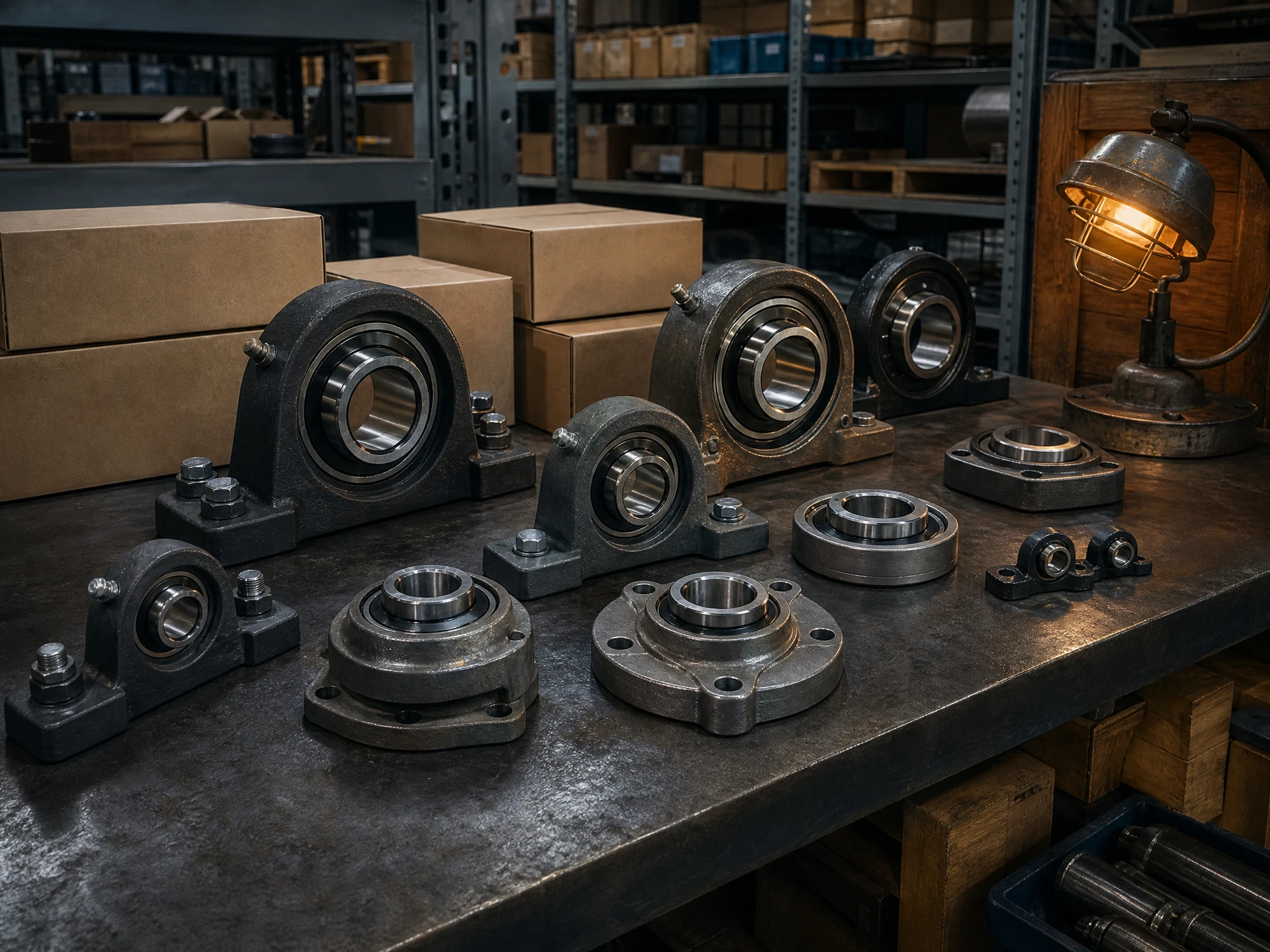
Surplus Moline mounted bearing units and inserts in an industrial storage facility
Manufacturer inventoryConnect factory labels and part numbers to the exact branded stock.

Commercial inventory context

Evidence before an outcome

A facility has discontinued a production line using Moline mounted units or has excess Moline inserts in the storeroom that are no longer needed for current equipment.

Identify
Manufacturer, full part number, suffix and packaging
Document
Quantity, condition, ownership and release status
Plan
Staging, pallet or crate status, access and loading facts
01

Identifying Surplus Moline Mounted Units

When evaluating surplus Moline bearings, accurately identifying the specific configuration is essential. Moline produces a variety of mounted units, including pillow blocks, flange bearings, and take-up units. Locate the part number cast directly into the housing or stamped on the bearing insert. Note any suffixes that indicate specific seal types, locking mechanisms, or housing materials, as these details impact the review of your excess inventory.

02

Condition Requirements for Moline Bearings

The condition of unused Moline bearings significantly affects their viability for acquisition. Cast iron housings can develop surface rust if stored in humid environments without proper protection, while the bearing inserts may suffer from degraded seals or dried lubrication. When submitting your inventory, provide clear documentation of the storage conditions, the state of the factory packaging, and close-up images of critical components like locking collars and set screws.

03

Preparing Your Moline Inventory for Review

To facilitate a thorough evaluation of your surplus Moline bearings, compile a detailed list of all available units, separating complete assemblies from individual inserts or housings. Ensure that all original packaging is retained where possible, as it helps verify the exact specifications and age of the inventory. Freight, loading, payment, and purchase terms are confirmed case by case after inventory review.

Qualification framework

What a bearing buyer can evaluate from the record

Separate what the inventory is, what condition evidence shows, and which transaction facts still need review.

01

Inventory fit

  • Unused Moline pillow block bearings
  • Surplus Moline flange units and inserts
  • Obsolete Moline Type E tapered roller bearing units
02

Condition flags

  • Surface rust on cast iron housings
  • Missing locking collars or set screws
  • Degraded seals on older unused inserts
03

Review inputs

  • Completeness of the mounted unit (housing plus insert)
  • Clarity of Moline part numbers and suffixes
  • Condition of original factory packaging

Freight, loading, payment, and purchase terms are confirmed case by case after inventory review.

Page-specific guidance

Questions before you submit

Answers define what to document. They do not create a purchase, price, pickup, freight, loading, payment, removal, or timing commitment.

What information is needed to evaluate my surplus Moline bearings?

Please provide the complete Moline part numbers from the housings and inserts, clear photos of the bearings and their packaging, and details regarding their storage history and current condition.

Do you review Moline Type E mounted units?

Yes, we evaluate various Moline configurations, including Type E tapered roller bearing units. Ensure you document the specific shaft size and housing style when submitting your list.

How does surface rust on Moline housings affect the evaluation?

Surface rust on cast iron housings can impact the viability of the inventory. We require clear photos of any corrosion to determine if the units meet our criteria for selected unused inventory.

Private inventory submission

Start with the bearing evidence you have

Connect part numbers and quantities to current lot, label, packaging, and condition photos. Do not send confidential plant records or payment information.

  • Server-validated submission
  • Private owner review
  • No automatic purchase or price promise
01 / ContactWho controls this inventory?
02 / IdentificationWhat is on the shelf?

Submitted details and attachments are available only to the authenticated project owner.

CallQuote