Metro inventory guidanceEvidence-led review

Pittsburgh Industrial Recovery

Surplus Industrial Bearing Buyers in Pittsburgh

To provide a clear, direct path for Pittsburgh-area industrial facilities, steel processing plants, and equipment distributors to monetize surplus, obsolete, and selected unused industrial bearing inventory.

  • Part numbers & quantity
  • Current condition photos
  • Packaging & loading facts

A submission starts a review. It does not guarantee purchase, price, freight, loading, removal, payment, or timing.

This page connects sellers to a national review. It does not represent a local office, yard, crew, or recent project.

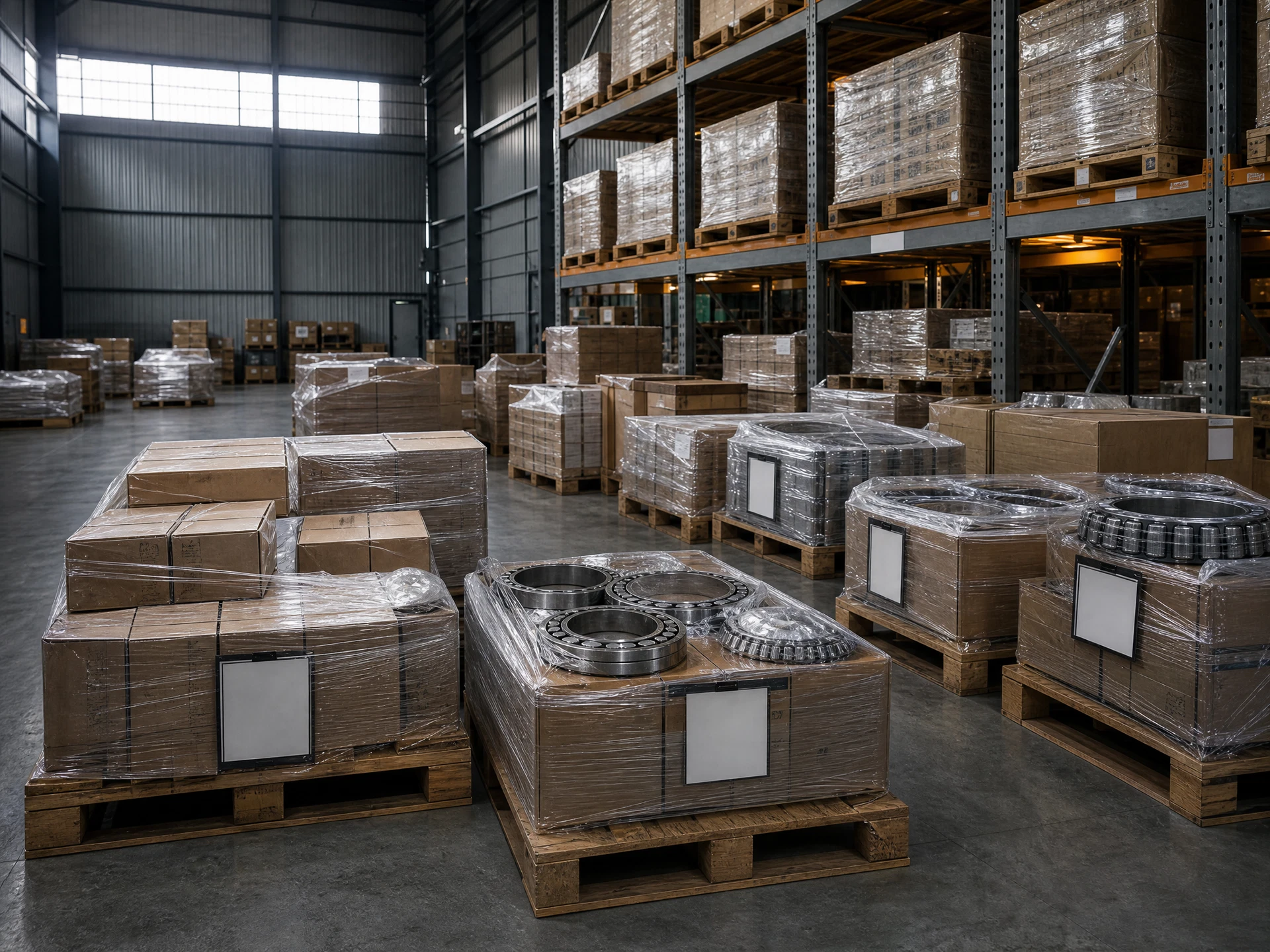
Palletized surplus industrial bearings staged for review in a heavy manufacturing facility.
Metro inventory guidanceConnect a verified metro location to the national inventory review process.

Commercial inventory context

Evidence before an outcome

A regional steel mill, heavy manufacturing plant, or distributor in the Greater Pittsburgh area has accumulated excess bearing inventory following equipment upgrades, plant consolidations, or shifting maintenance schedules.

Identify
Manufacturer, full part number, suffix and packaging
Document
Quantity, condition, ownership and release status
Plan
Staging, pallet or crate status, access and loading facts
01

Evaluating Pittsburgh's Industrial Bearing Surplus

The Greater Pittsburgh area remains a hub for heavy manufacturing, steel processing, and industrial distribution. Facilities in these sectors often maintain extensive MRO inventories to prevent costly downtime. Over time, equipment upgrades, process changes, or facility consolidations can result in surplus, obsolete, or excess industrial bearings. We review these unused inventories, focusing on heavy-duty configurations, to determine if they qualify for purchase. For any used bearings, only selected inventory with clear condition and handling evidence may be considered.

02

Preparing Your Inventory for Review

Accurate identification is critical when assessing surplus bearings from industrial environments. We require clear documentation of part numbers, brand markings, and any specific clearance or design suffixes. Photographs of the bearings, their original packaging, and the general storage conditions help us evaluate the lot. Whether dealing with a few specialized rolling mill bearings or a larger lot of excess distributor stock, comprehensive details allow for a more accurate review process.

03

Logistics and Freight Coordination

Handling heavy industrial bearings requires careful logistical planning. Freight, loading, payment, and purchase terms are confirmed case by case after our initial inventory review. Any transport, freight, loading, removal, payment, or timing responsibility is documented only for an approved transaction. Proper palletizing and securing of the inventory are essential to maintain condition during transit from your facility.

Qualification framework

What a bearing buyer can evaluate from the record

Separate what the inventory is, what condition evidence shows, and which transaction facts still need review.

01

Inventory fit

  • New-in-box (NIB) surplus bearings from major brands
  • New-out-of-box (NOB) unused bearings with visible factory markings
  • Obsolete heavy-duty bearings for decommissioned rolling mill equipment
  • Excess storeroom inventory from regional industrial distributors
02

Condition flags

  • Surface rust or pitting on unsealed bearings stored in humid environments
  • Degraded or missing original packaging affecting identification
  • Dried or contaminated factory lubrication in older stock
  • Physical damage from improper stacking or handling
03

Review inputs

  • Current industrial demand for the specific bearing configurations and sizes
  • Completeness and condition of original manufacturer packaging
  • Clarity of part numbers, brand identifiers, and clearance suffixes
  • Overall volume and lot composition of the available inventory

Freight and loading arrangements are evaluated on a case-by-case basis after inventory review. Palletized and properly secured shipments are required for heavy industrial bearings. Coordination with regional LTL or dedicated freight carriers depends on lot size and location.

Page-specific guidance

Questions before you submit

Answers define what to document. They do not create a purchase, price, pickup, freight, loading, payment, removal, or timing commitment.

What types of surplus bearings do you review from Pittsburgh facilities?

We primarily evaluate unused surplus, excess, and obsolete industrial bearings, such as spherical and tapered roller bearings, often found in heavy manufacturing and steel processing. We also review selected used inventory if clear condition and handling evidence is provided.

How should I document my bearing inventory for evaluation?

Please provide clear photographs of the bearing part numbers, brand markings, and original packaging. A detailed list or spreadsheet with quantities and observed conditions, along with photos of how the items are stored, helps expedite our review.

How is freight handled for heavy bearing shipments?

Freight, loading, payment, and purchase terms are confirmed on a case-by-case basis after we review your inventory. Any transport, freight, loading, removal, payment, or timing responsibility is documented only for an approved transaction.

Private inventory submission

Start with the bearing evidence you have

Connect part numbers and quantities to current lot, label, packaging, and condition photos. Do not send confidential plant records or payment information.

  • Server-validated submission
  • Private owner review
  • No automatic purchase or price promise
01 / ContactWho controls this inventory?
02 / IdentificationWhat is on the shelf?

Submitted details and attachments are available only to the authenticated project owner.

CallQuote