Seller decision guideEvidence-led review

Large Inventory Liquidation

Sell Truckload Bearing Lots

Provide a clear pathway for plants, distributors, and liquidators to sell massive, truckload-sized inventories of surplus industrial bearings.

  • Part numbers & quantity
  • Current condition photos
  • Packaging & loading facts

A submission starts a review. It does not guarantee purchase, price, freight, loading, removal, payment, or timing.

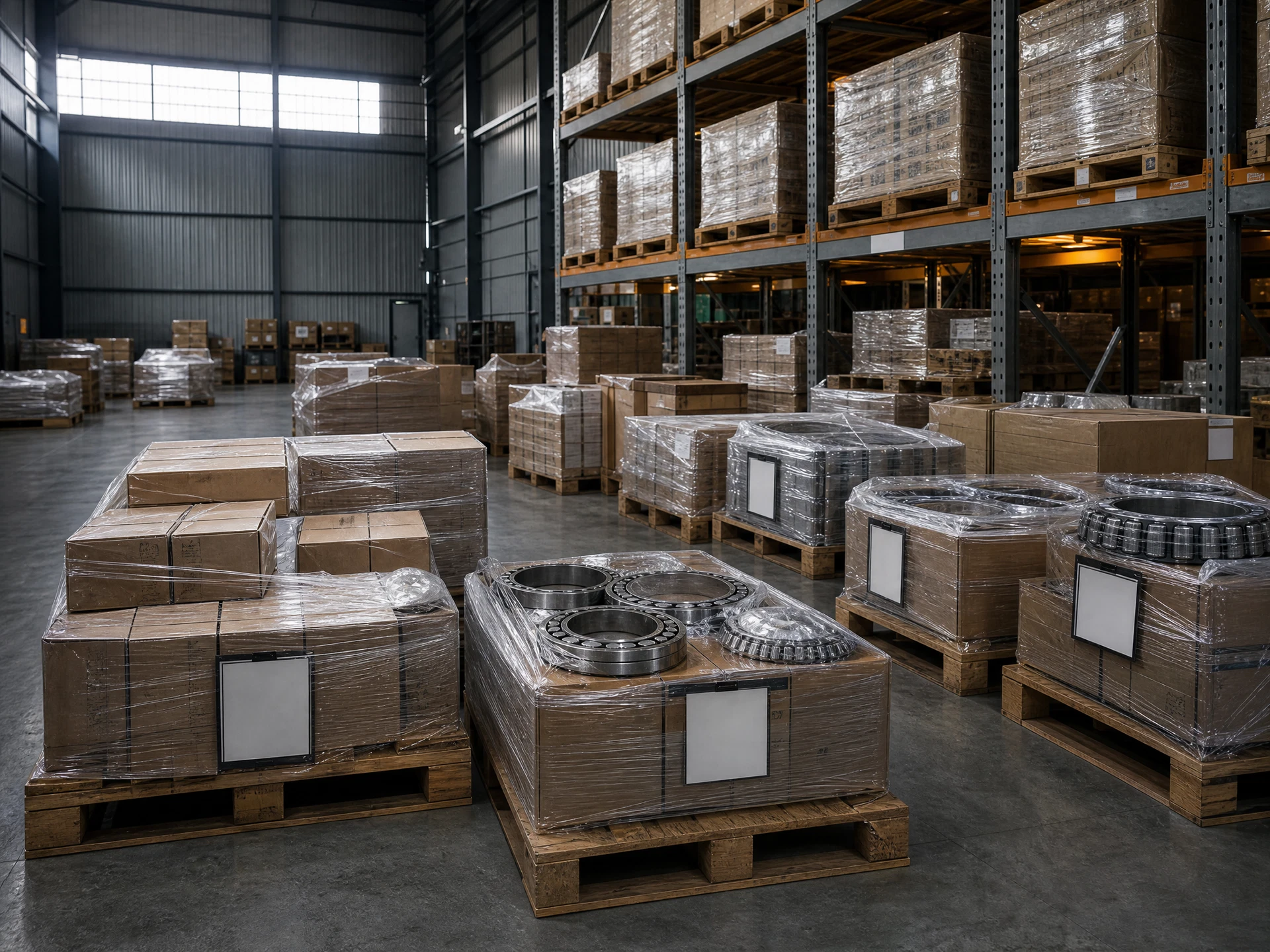
Palletized industrial bearing inventory ready for truckload freight loading.
Seller decision guideCompare disposition paths and prepare a documented commercial submission.

Commercial inventory context

Evidence before an outcome

A distributor consolidating branches, a manufacturing plant shutting down, or a liquidator clearing out a massive warehouse needs to move a truckload of bearings without piecemeal sorting.

Identify
Manufacturer, full part number, suffix and packaging
Document
Quantity, condition, ownership and release status
Plan
Staging, pallet or crate status, access and loading facts
01

Liquidating Massive Bearing Inventories

When a facility closes or a distributor consolidates, the resulting bearing inventory can easily fill a truckload. Sorting and selling these components individually is rarely feasible. We evaluate large-scale lots of surplus, excess, and obsolete industrial bearings, focusing on the overall composition and condition of the inventory.

02

Evaluating Palletized and Bulk Lots

For truckload quantities, we do not require an immediate, itemized list of every single bearing. A representative manifest or clear photographs of the storage racks, pallets, and sample box labels allow us to gauge the inventory's potential. We look for recognizable industrial brands, intact packaging, and proper storage conditions that preserve the functional value of the components.

03

Coordinating Freight for Large Clearouts

Moving a truckload of heavy industrial components requires careful planning. Once we review the inventory and reach an agreement, freight, loading, payment, and purchase terms are confirmed case by case. Sellers should document site access, loading-dock availability, handling equipment, restrictions, and responsibilities before any movement plan is considered.

Qualification framework

What a bearing buyer can evaluate from the record

Separate what the inventory is, what condition evidence shows, and which transaction facts still need review.

01

Inventory fit

  • Mixed pallets of boxed surplus bearings
  • Plant shutdown MRO storeroom cleanouts
  • Distributor dead stock in bulk quantities
  • Large-scale obsolete dedicated spares
02

Condition flags

  • Water damage or severe rust on lower pallets
  • Crushed or degraded packaging from poor stacking
  • Mixed scrap metal commingled with functional bearings
  • Unidentifiable bulk lots lacking any documentation
03

Review inputs

  • Proportion of high-demand brands and types
  • Overall condition and packaging integrity
  • Completeness of inventory manifests
  • Logistical complexity of extraction and loading

Freight, loading, and payment terms are confirmed case by case after inventory review. For verified truckload quantities, freight responsibility is discussed only after inventory and location review. Sellers should indicate if a loading dock and forklift are available on site.

Page-specific guidance

Questions before you submit

Answers define what to document. They do not create a purchase, price, pickup, freight, loading, payment, removal, or timing commitment.

Do I need a complete inventory list to sell a truckload of bearings?

While a detailed spreadsheet is helpful, it is not strictly required to begin the process. Clear photographs of the pallets, shelving, and sample box labels can often provide enough information for an initial evaluation.

How is freight handled for massive bearing lots?

Because every large liquidation is unique, freight, loading, and purchase terms are confirmed case by case after we review the inventory and understand your site's logistical capabilities.

Do you buy used bearings in bulk?

We primarily focus on surplus, excess, and obsolete unused inventory. However, only selected used inventory may be considered with clear condition and handling evidence, and it must be separated from general scrap.

Private inventory submission

Start with the bearing evidence you have

Connect part numbers and quantities to current lot, label, packaging, and condition photos. Do not send confidential plant records or payment information.

  • Server-validated submission
  • Private owner review
  • No automatic purchase or price promise
01 / ContactWho controls this inventory?
02 / IdentificationWhat is on the shelf?

Submitted details and attachments are available only to the authenticated project owner.

CallQuote