Facility inventory contextEvidence-led review

Industry Surplus Evaluation

Surplus Pulp and Paper Mill Bearings

To evaluate excess or obsolete bearings originating from pulp and paper manufacturing facilities.

  • Part numbers & quantity
  • Current condition photos
  • Packaging & loading facts

A submission starts a review. It does not guarantee purchase, price, freight, loading, removal, payment, or timing.

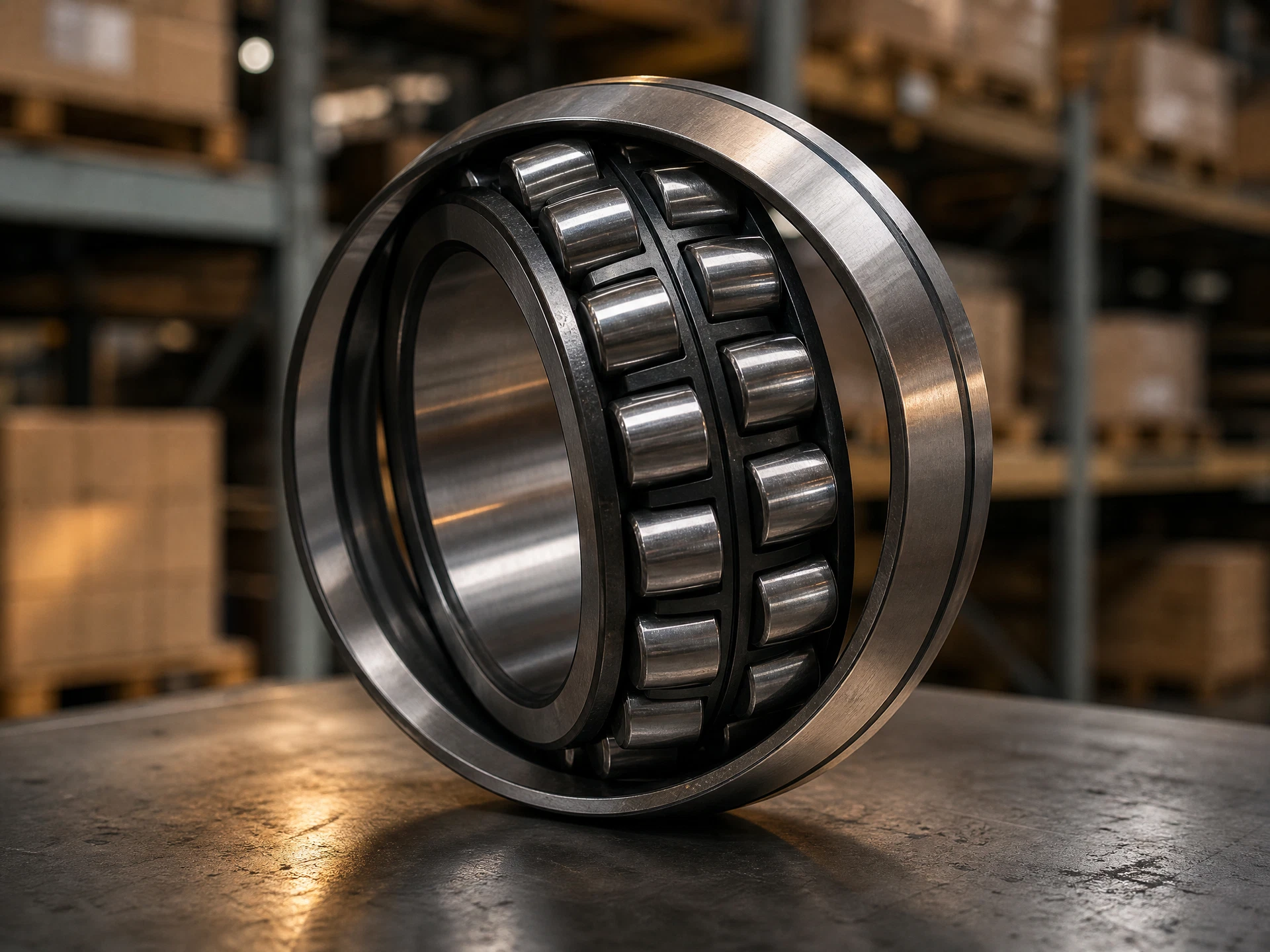
Large spherical roller bearings typical of pulp and paper mill surplus inventory
Facility inventory contextDocument the process, storage, release, and shutdown context behind the lot.

Commercial inventory context

Evidence before an outcome

A paper mill has undergone a maintenance overhaul or facility closure, resulting in a surplus of large spherical roller bearings and drying cylinder bearings.

Identify
Manufacturer, full part number, suffix and packaging
Document
Quantity, condition, ownership and release status
Plan
Staging, pallet or crate status, access and loading facts
01

Surplus Bearings from Mill Maintenance

Pulp and paper manufacturing requires specialized bearings designed to withstand high temperatures, moisture, and heavy loads. When mills undergo equipment upgrades, maintenance overhauls, or complete shutdowns, they often retain significant quantities of spare bearings. We evaluate these excess inventories, focusing on spherical roller bearings, drying cylinder bearings, and other critical components that are no longer needed for current operations.

02

Evaluating Paper Machine Bearings

The unique operating environment of a paper mill means that storage conditions are a primary factor in our review process. We look for clear evidence that unused bearings have been kept free from moisture and chemical exposure. If the inventory includes used bearings, we only consider selected items where condition and handling evidence can be clearly verified. Detailed photos of markings, packaging, and any surface condition issues are necessary for an accurate assessment.

03

Handling and Logistics for Heavy Bearings

Many bearings used in the pulp and paper industry, particularly those for large rolls and cylinders, are substantial in size and weight. Proper crating and secure palletizing are essential to prevent damage during transit. Freight, loading, payment, and purchase terms are confirmed case by case after our team completes a thorough inventory review. Any transport, freight, loading, removal, payment, or timing responsibility is documented only for an approved transaction.

Qualification framework

What a bearing buyer can evaluate from the record

Separate what the inventory is, what condition evidence shows, and which transaction facts still need review.

01

Inventory fit

  • Spherical roller bearings for paper machines
  • Drying cylinder bearings
  • Felt roll bearings
  • Suction roll bearings
02

Condition flags

  • Moisture or chemical exposure from the mill environment
  • Surface rust due to improper long-term storage
  • Damaged packaging compromising bearing integrity
03

Review inputs

  • Demand for specific paper machine bearing sizes
  • Completeness of original packaging
  • Verifiable condition and storage history

Freight, loading, payment, and purchase terms are confirmed case by case after inventory review. Heavy or oversized paper machine bearings require appropriate crating and handling.

Page-specific guidance

Questions before you submit

Answers define what to document. They do not create a purchase, price, pickup, freight, loading, payment, removal, or timing commitment.

What types of paper mill bearings do you evaluate?

We primarily review surplus spherical roller bearings, drying cylinder bearings, felt roll bearings, and suction roll bearings that are excess to your current maintenance requirements.

Do you consider used bearings from paper machines?

We may review selected used inventory, provided there is clear evidence regarding its condition, handling history, and removal process from the equipment.

How are shipping arrangements handled for large mill bearings?

Heavy or oversized bearings require careful handling. Freight, loading, payment, and purchase terms are confirmed case by case after a complete inventory review.

Private inventory submission

Start with the bearing evidence you have

Connect part numbers and quantities to current lot, label, packaging, and condition photos. Do not send confidential plant records or payment information.

  • Server-validated submission
  • Private owner review
  • No automatic purchase or price promise
01 / ContactWho controls this inventory?
02 / IdentificationWhat is on the shelf?

Submitted details and attachments are available only to the authenticated project owner.

CallQuote