National buying deskEvidence-led review

Clear Process

How the Bearing Valuation and Purchasing Process Works

To explain the straightforward steps required to submit bearing inventory for evaluation, receive a formal offer, and coordinate logistics.

  • Part numbers & quantity
  • Current condition photos
  • Packaging & loading facts

A submission starts a review. It does not guarantee purchase, price, freight, loading, removal, payment, or timing.

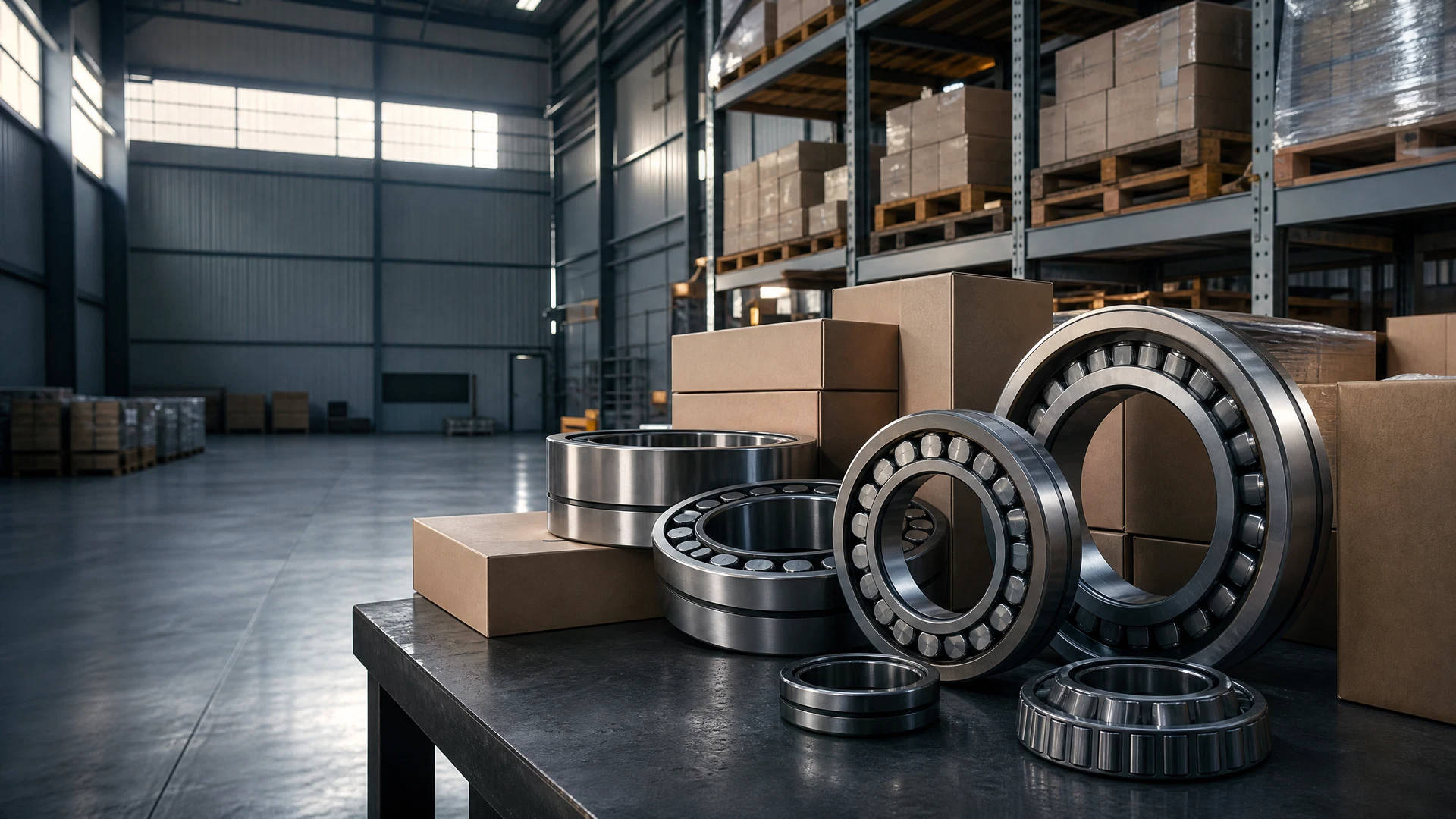
Organized warehouse setting illustrating the process of evaluating and preparing surplus industrial bearings for transfer.
National buying deskStart with the actual bearing inventory and the evidence available now.

Commercial inventory context

Evidence before an outcome

You are managing surplus or obsolete bearing inventory and need a clear understanding of how the evaluation, offer, and transfer process operates before committing time to a detailed submission.

Identify
Manufacturer, full part number, suffix and packaging
Document
Quantity, condition, ownership and release status
Plan
Staging, pallet or crate status, access and loading facts
01

Step 1: Submit Your Bearing Inventory Details

The process begins when you provide details about your surplus or obsolete industrial bearings. You can submit lists, spreadsheets, or clear photographs of the inventory. Important details include the manufacturer brand, specific part numbers, quantities, and the current condition of the packaging. If you are submitting selected used bearings, clear evidence of their condition and handling history is required for consideration.

02

Step 2: Expert Evaluation and Offer Generation

Once your inventory details are received, the evaluation focuses on industrial demand, part specificity, and physical condition. Valuation considers whether the bearings are sealed in original packaging, open but unused, or part of a verifiable used lot. Based on this thorough evaluation, a clear, formal offer is generated. This step ensures transparency regarding how the specific characteristics of your bearings translate into the proposed valuation.

03

Step 3: Coordination of Logistics and Transfer

If the offer meets your expectations, the final step involves coordinating the transfer of the inventory. Freight, loading responsibilities, and payment terms are confirmed on a case-by-case basis after the inventory evaluation is complete. Whether dealing with a few boxes or palletized storeroom cleanouts, the logistics are planned to document the proposed transfer of the surplus bearings from your facility.

Qualification framework

What a bearing buyer can evaluate from the record

Separate what the inventory is, what condition evidence shows, and which transaction facts still need review.

01

Inventory fit

  • Surplus new-in-box bearings
  • Obsolete machinery spares
  • Excess MRO storeroom inventory
  • Selected used bearings with verifiable condition
02

Condition flags

  • Unidentified components lacking part numbers
  • Severe rust or contamination on unpackaged units
  • Used bearings without clear operational history
03

Review inputs

  • Current industrial demand for the specific part numbers
  • Completeness of original packaging and seals
  • Overall volume and logistical efficiency of the lot

Freight arrangements are coordinated case by case after inventory evaluation. Loading requirements depend on the size and location of the lot. Payment terms, if any, are documented for an approved transaction before shipment.

Page-specific guidance

Questions before you submit

Answers define what to document. They do not create a purchase, price, pickup, freight, loading, payment, removal, or timing commitment.

How long does the bearing evaluation process typically take?

The evaluation timeline depends on the volume and clarity of the submitted information. Well-documented lists with clear part numbers and photos are easier to review, while mixed or undocumented lots may require additional clarification before an offer can be finalized.

Do I need to organize the bearings before submitting them?

While not strictly required, organizing your surplus bearings by brand, type, and part number allows for a much faster and more documented review. Clear categorization helps ensure that high-value components are properly identified during the evaluation.

How is shipping handled for accepted bearing inventory?

Freight and loading arrangements are determined on a case-by-case basis once the inventory is evaluated and an offer is accepted. The specific logistics plan will depend on the size of the lot, your facility's loading capabilities, and the final purchase terms.

Private inventory submission

Start with the bearing evidence you have

Connect part numbers and quantities to current lot, label, packaging, and condition photos. Do not send confidential plant records or payment information.

  • Server-validated submission
  • Private owner review
  • No automatic purchase or price promise
01 / ContactWho controls this inventory?
02 / IdentificationWhat is on the shelf?

Submitted details and attachments are available only to the authenticated project owner.

CallQuote