Bearing identificationEvidence-led review

Industrial Bearing Types

Sell Surplus Industrial Bearings

To explain our purchasing focus across all major industrial bearing configurations and guide sellers in identifying their surplus inventory for evaluation.

  • Part numbers & quantity
  • Current condition photos
  • Packaging & loading facts

A submission starts a review. It does not guarantee purchase, price, freight, loading, removal, payment, or timing.

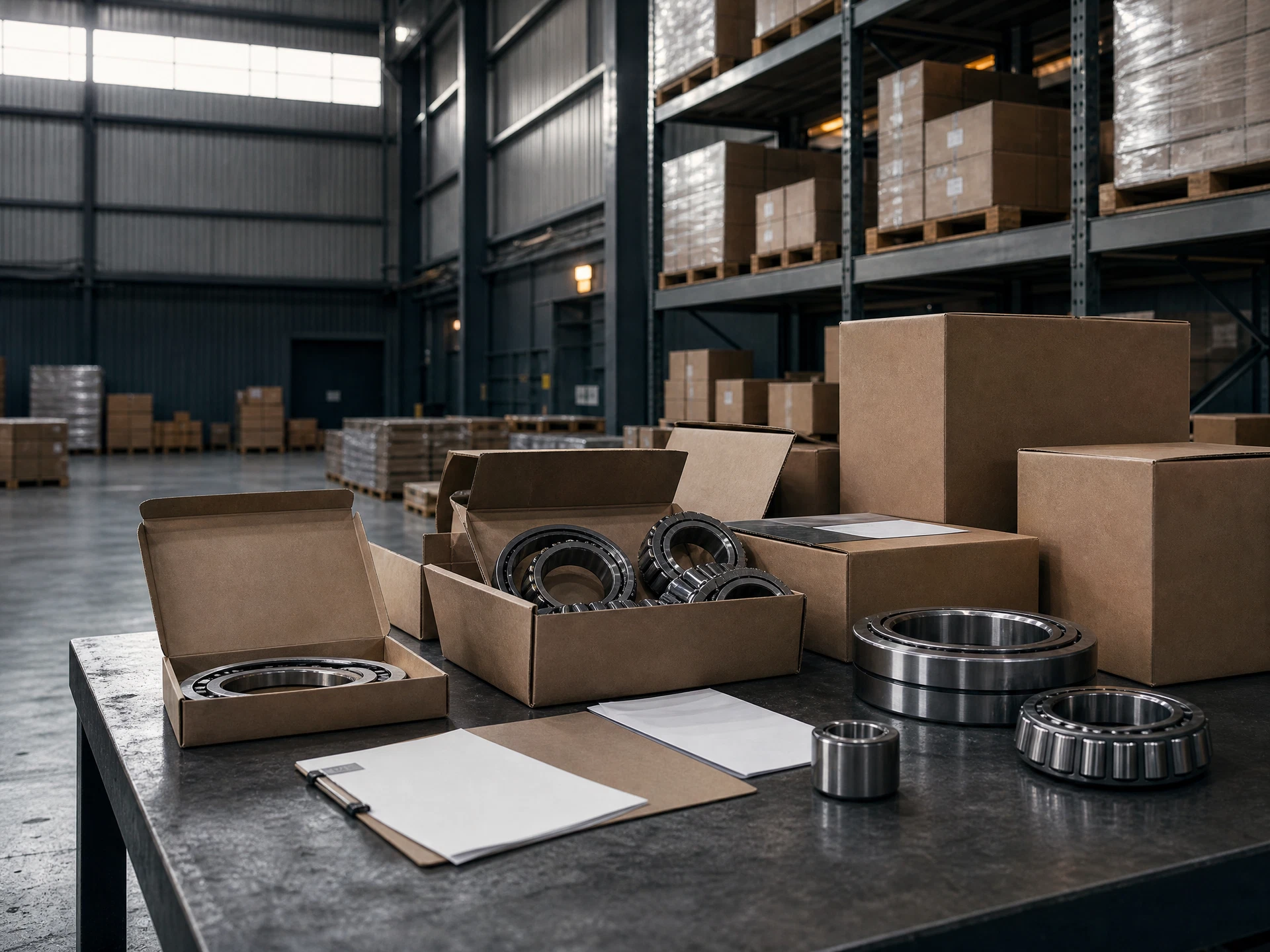
A warehouse shelving system holding various boxed industrial bearings ready for inventory evaluation.
Bearing identificationUse markings, suffixes, packaging, and condition to identify the inventory.

Commercial inventory context

Evidence before an outcome

A plant manager, storeroom supervisor, or distributor has accumulated a diverse mix of industrial bearings due to equipment upgrades, facility closures, or overstocking, and needs a reliable buyer to liquidate the inventory.

Identify
Manufacturer, full part number, suffix and packaging
Document
Quantity, condition, ownership and release status
Plan
Staging, pallet or crate status, access and loading facts
01

Types of Industrial Bearings We Evaluate

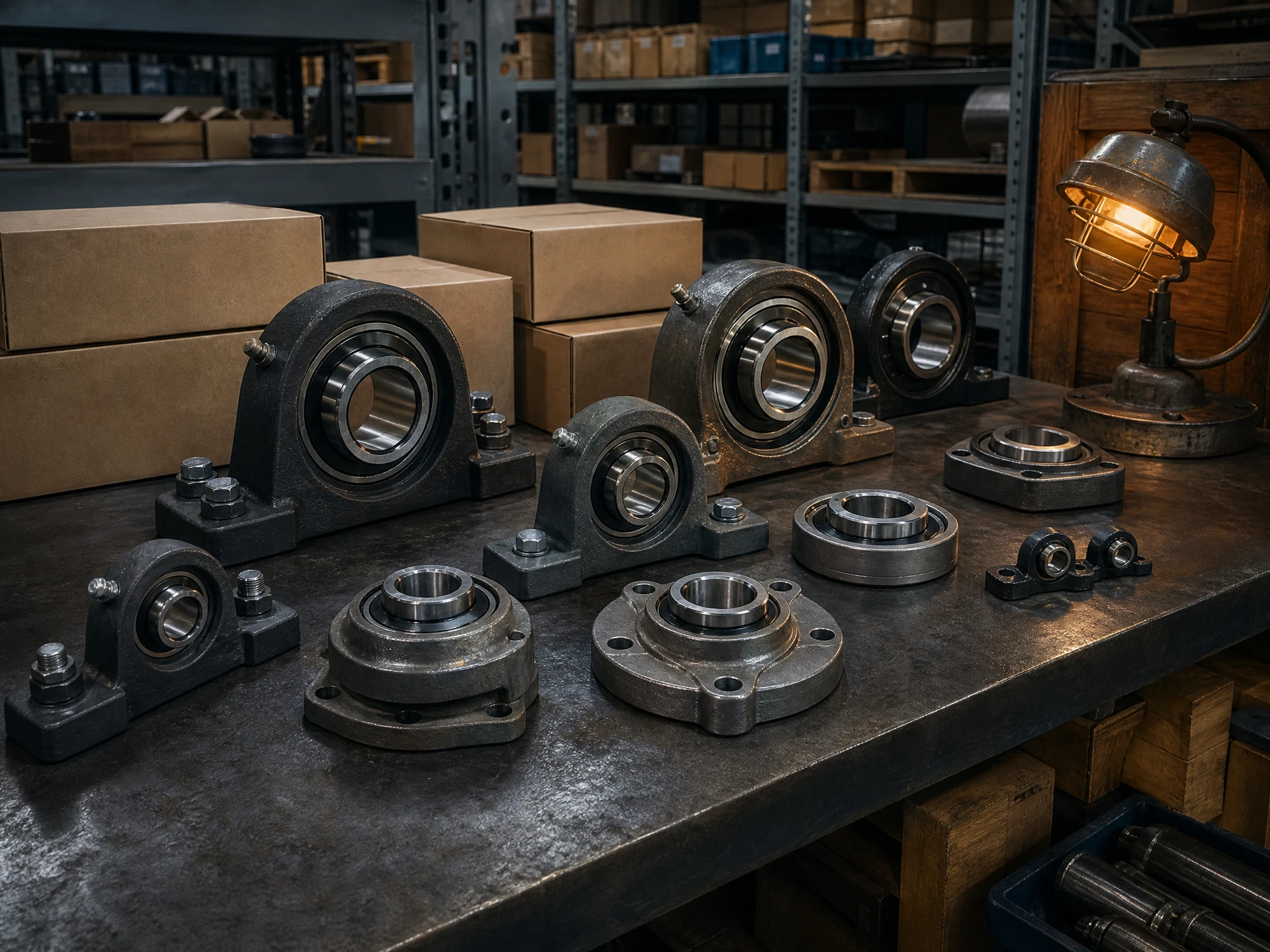
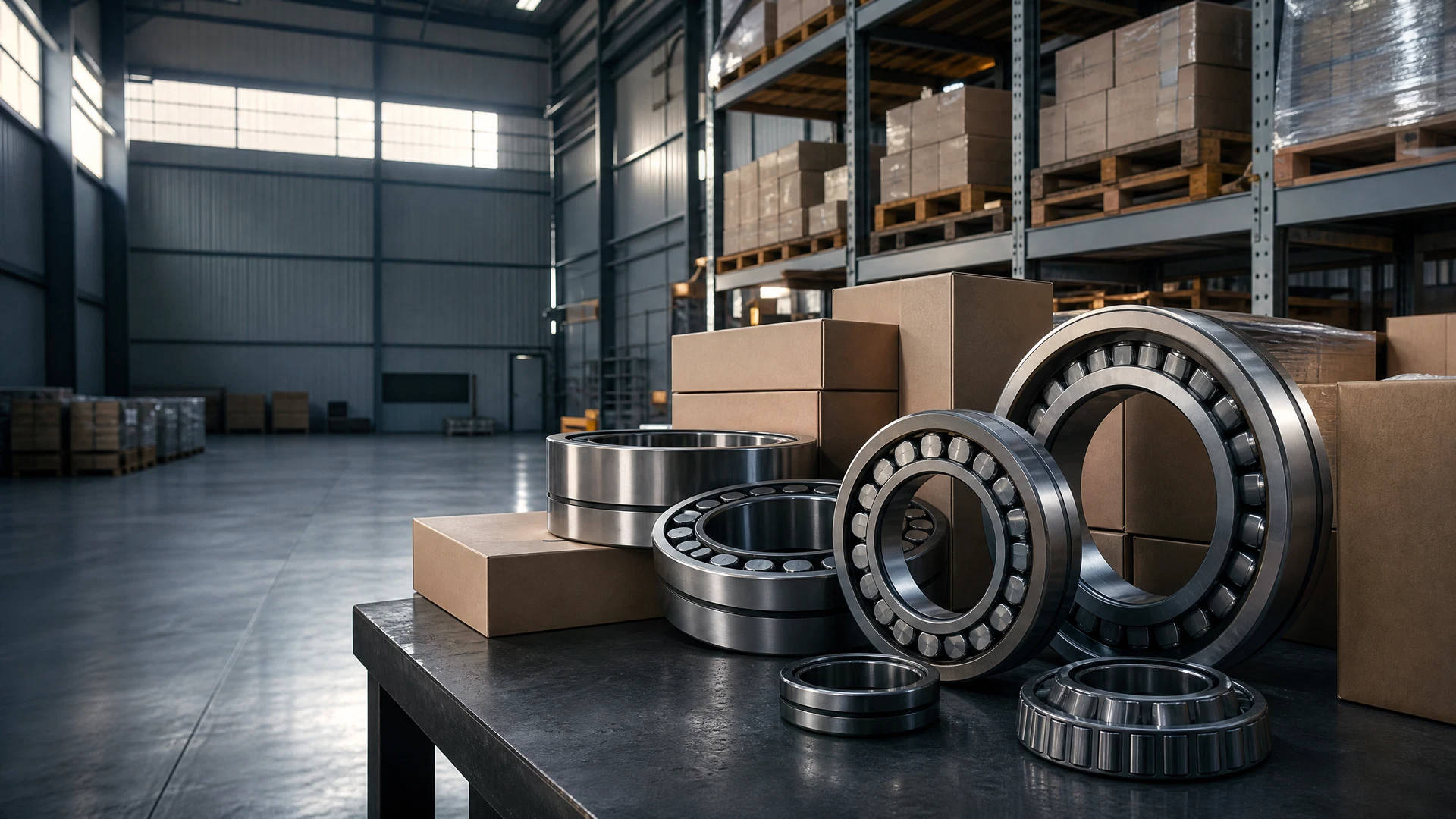
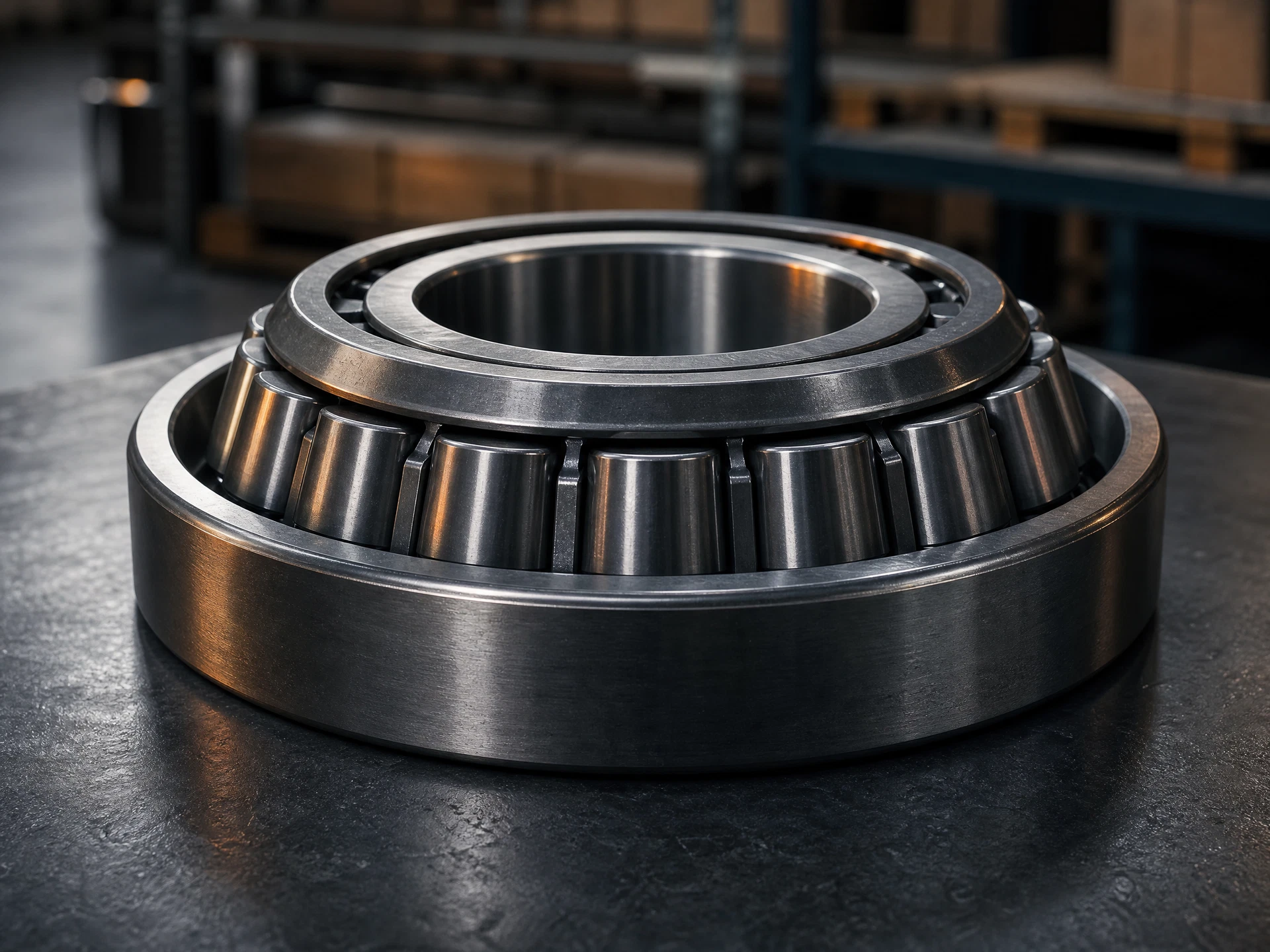
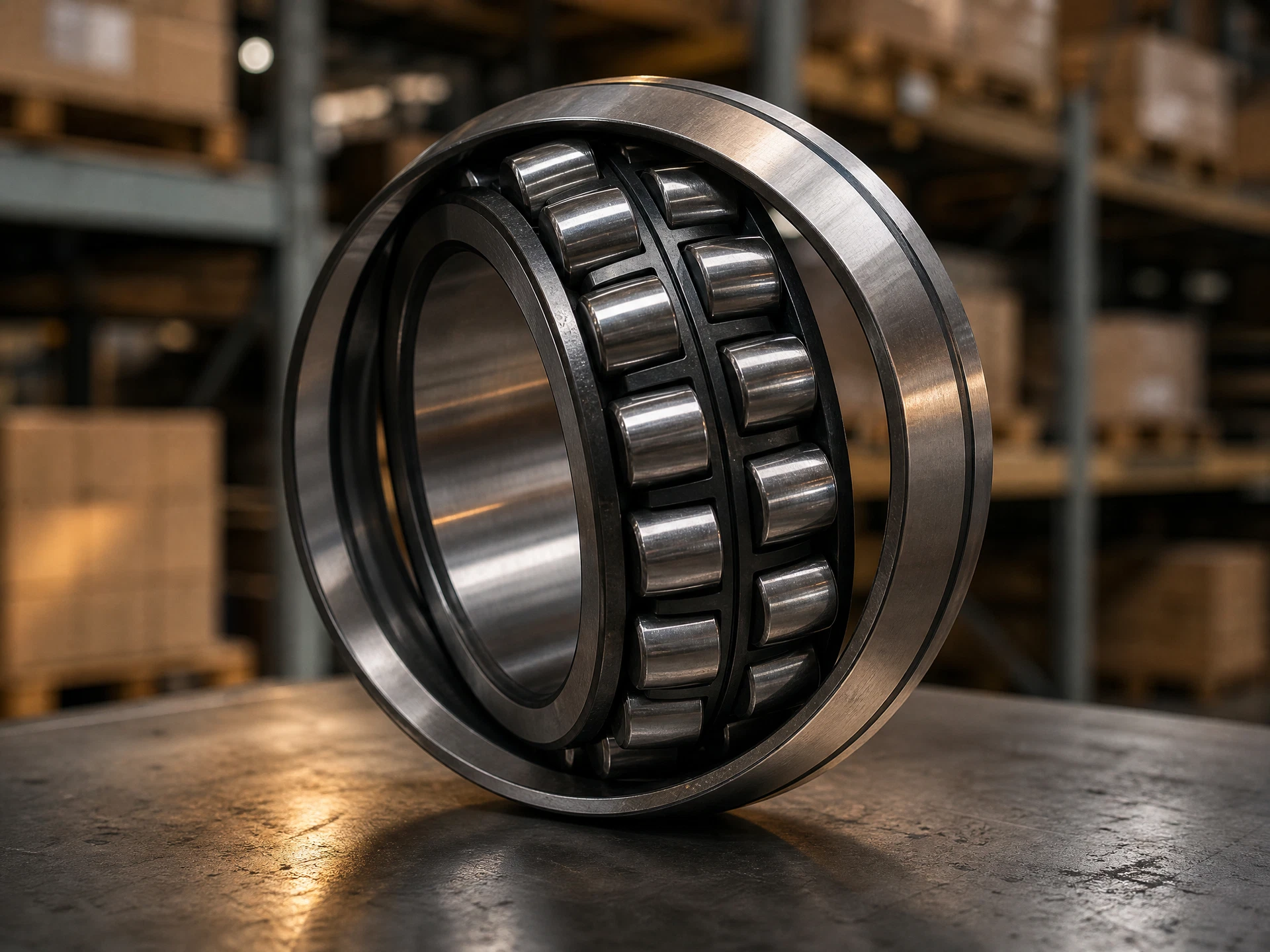
Our purchasing team evaluates a wide range of industrial bearing configurations, including roller, ball, mounted, and precision units. Whether you have standard deep groove ball bearings or specialized spherical roller bearings, we review surplus inventory based on its specifications and condition. Accurate identification of the bearing type is the first step in our evaluation process.
02

Preparing Your Bearing Inventory for Review

To facilitate a thorough evaluation, organize your bearing inventory by type, brand, or part number if possible. Provide clear documentation, including spreadsheets and high-quality photos showing the condition of the bearings and their packaging. For used bearings, we only consider selected inventory with clear condition and handling evidence. Proper preparation helps us assess the true value of your surplus.

03

The Evaluation and Purchasing Process

Once we receive your inventory details, our team assesses the brand, part number, condition, and market demand. We do not use a one-size-fits-all pricing model; instead, we offer a tailored evaluation for your specific bearing types. Freight, loading, payment, and purchase terms are confirmed case by case after the inventory review is complete, ensuring a straightforward transaction for your surplus assets.

Qualification framework

What a bearing buyer can evaluate from the record

Separate what the inventory is, what condition evidence shows, and which transaction facts still need review.

01

Inventory fit

  • Surplus and excess new-in-box bearings
  • Obsolete spares from decommissioned machinery
  • Selected unused inventory without original packaging
  • Mixed lots of various bearing types and sizes
02

Condition flags

  • Rust, corrosion, or contamination on unpackaged units
  • Missing components in separable bearing assemblies
  • Damaged seals or shields on sealed bearings
  • Used bearings lacking clear operational history or handling evidence
03

Review inputs

  • Brand reputation and specific part number demand
  • Condition of the bearings and their packaging
  • Total quantity and uniformity of the inventory lot
  • Current market demand for specific bearing configurations

Freight and loading arrangements are evaluated based on total volume and location. For large palletized inventories, document pallet count, dimensions, weights, access, and loading capability before any transport responsibility is discussed. Payment and purchase terms are confirmed case by case after full inventory review.

Verified catalog

Explore bearing types

Choose the page that most closely matches the actual inventory or seller question.

Page-specific guidance

Questions before you submit

Answers define what to document. They do not create a purchase, price, pickup, freight, loading, payment, removal, or timing commitment.

What types of industrial bearings do you buy?

We evaluate a comprehensive range of industrial bearings, including tapered roller, spherical roller, cylindrical roller, deep groove ball, angular contact, mounted units, and more.

Do you purchase used industrial bearings?

We primarily focus on surplus, excess, and obsolete unused bearings. However, we may consider selected used inventory if clear condition and handling evidence can be provided.

How should I package my bearings for evaluation?

Keep bearings in their original packaging whenever possible. For loose or unpackaged units, ensure they are protected from moisture and physical damage, and provide clear photos of their current storage condition.

Private inventory submission

Start with the bearing evidence you have

Connect part numbers and quantities to current lot, label, packaging, and condition photos. Do not send confidential plant records or payment information.

  • Server-validated submission
  • Private owner review
  • No automatic purchase or price promise
01 / ContactWho controls this inventory?
02 / IdentificationWhat is on the shelf?

Submitted details and attachments are available only to the authenticated project owner.

CallQuote