Bearing identificationEvidence-led review

Mounted Units & Housings

Surplus Mounted Unit Bearings

To evaluate and acquire surplus mounted bearing units, including pillow blocks and flange units, from industrial facilities.

  • Part numbers & quantity
  • Current condition photos
  • Packaging & loading facts

A submission starts a review. It does not guarantee purchase, price, freight, loading, removal, payment, or timing.

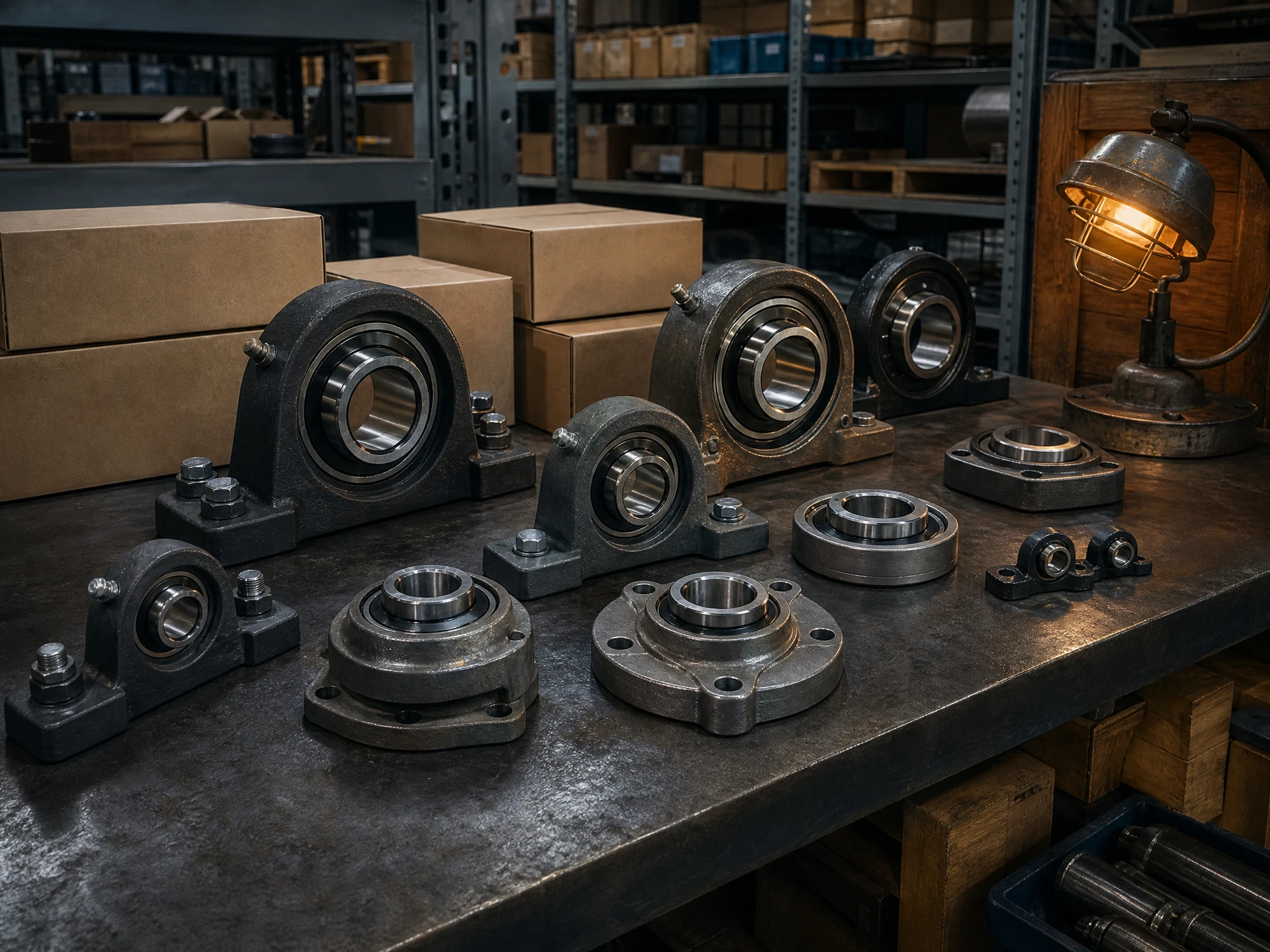
Surplus mounted bearing units and pillow blocks on industrial shelving.
Bearing identificationUse markings, suffixes, packaging, and condition to identify the inventory.

Commercial inventory context

Evidence before an outcome

Facilities with excess mounted units resulting from conveyor system upgrades, plant decommissioning, or changes in standardization.

Identify
Manufacturer, full part number, suffix and packaging
Document
Quantity, condition, ownership and release status
Plan
Staging, pallet or crate status, access and loading facts
01

Identifying Surplus Mounted Units

Mounted bearing units consist of a bearing insert housed within a cast iron, steel, or thermoplastic casing. When evaluating surplus inventory, it is critical to identify both the housing style—such as pillow block, two-bolt flange, or four-bolt flange—and the specific bearing insert. Part numbers are often cast directly into the housing, while the insert may have its own distinct markings. Clear photos of these identifiers assist in determining the configuration and shaft size.

02

Condition Requirements for Housings and Inserts

The condition of both the housing and the bearing insert impacts the viability of surplus mounted units. We review unused inventory for signs of improper storage, such as rust on the mounting surfaces or degradation of the seals. The presence of original set screws, locking collars, and grease fittings is also verified. Unused units in their original, undamaged packaging are generally prioritized during our review process.

03

Preparing Mounted Units for Freight

Due to the substantial weight of cast iron housings, proper preparation for transport is essential. Mounted units should be securely boxed or banded to pallets to prevent movement, as cast housings can crack or break if dropped or subjected to heavy impact. Any transport, freight, loading, removal, payment, or timing responsibility is documented only for an approved transaction.

Qualification framework

What a bearing buyer can evaluate from the record

Separate what the inventory is, what condition evidence shows, and which transaction facts still need review.

01

Inventory fit

  • Unused pillow block bearings
  • Surplus flange block units
  • Take-up bearing units
  • Split housing units
02

Condition flags

  • Corrosion on the cast iron or steel housing
  • Dried grease or degraded seals in the bearing insert
  • Missing locking collars or set screws
03

Review inputs

  • Demand for the specific shaft size and housing style
  • Brand recognition and original packaging condition
  • Quantity of identical units available

Mounted units are heavy and require secure palletization. Housings must be protected from shifting during transit to prevent cast iron breakage. Freight arrangements are evaluated based on total lot weight and location.

Page-specific guidance

Questions before you submit

Answers define what to document. They do not create a purchase, price, pickup, freight, loading, payment, removal, or timing commitment.

Do you review mounted units without their original boxes?

Yes, we can review unboxed unused mounted units, provided the housings and bearing inserts are free from corrosion and the seals remain intact.

What information is needed to evaluate pillow block bearings?

Please provide clear images of the manufacturer labels, any part numbers cast into the housing, the shaft size, and the overall condition of the units.

How are heavy shipments of mounted units handled?

We evaluate freight and loading requirements based on the total weight and location of the inventory, determining transport arrangements case by case.

Private inventory submission

Start with the bearing evidence you have

Connect part numbers and quantities to current lot, label, packaging, and condition photos. Do not send confidential plant records or payment information.

  • Server-validated submission
  • Private owner review
  • No automatic purchase or price promise
01 / ContactWho controls this inventory?
02 / IdentificationWhat is on the shelf?

Submitted details and attachments are available only to the authenticated project owner.

CallQuote