Bearing identificationEvidence-led review

Bearing Configurations

Surplus Slewing Ring and Turntable Bearings

To evaluate large-diameter slewing rings and turntable bearings from heavy machinery, cranes, and excavators for surplus purchase.

  • Part numbers & quantity
  • Current condition photos
  • Packaging & loading facts

A submission starts a review. It does not guarantee purchase, price, freight, loading, removal, payment, or timing.

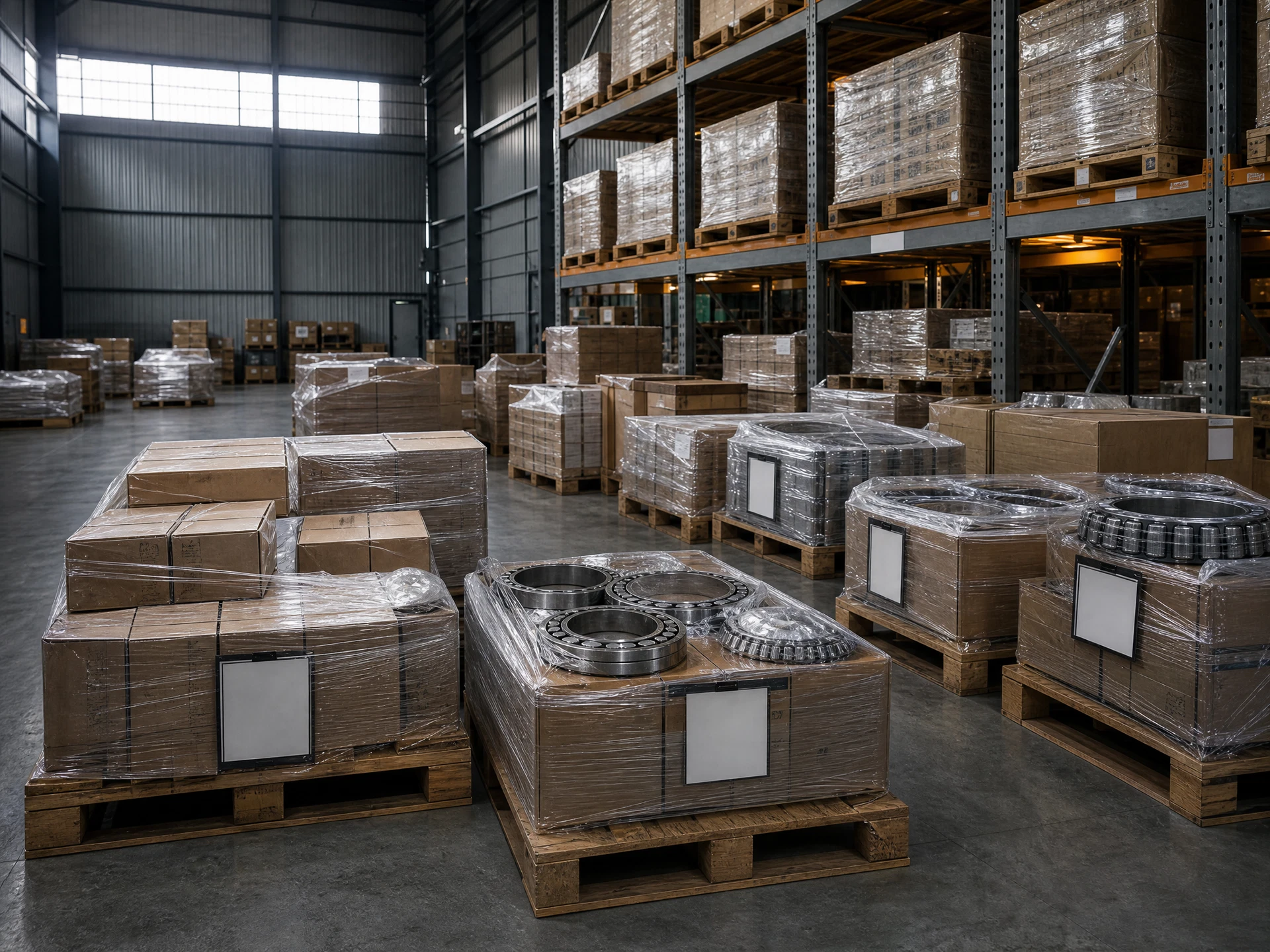
Large surplus slewing ring and turntable bearings secured on heavy-duty pallets in an industrial storage facility
Bearing identificationUse markings, suffixes, packaging, and condition to identify the inventory.

Commercial inventory context

Evidence before an outcome

A heavy equipment repair facility or construction fleet manager has excess or obsolete slewing ring bearings remaining after fleet upgrades or canceled crane maintenance projects.

Identify
Manufacturer, full part number, suffix and packaging
Document
Quantity, condition, ownership and release status
Plan
Staging, pallet or crate status, access and loading facts
01

Evaluating Heavy Equipment Slewing Rings

Slewing ring and turntable bearings are critical components in excavators, cranes, and wind turbines. When maintenance schedules change or equipment is decommissioned, these large-diameter bearings often become surplus. We review unused, obsolete, and excess slewing rings, focusing on gear type, diameter, and overall condition to determine if they are suitable for purchase.

02

Condition and Storage of Large Bearings

Because of their size and mass, slewing rings are highly susceptible to handling damage and environmental degradation. We look for bearings that have been stored flat, indoors, and in their original factory protective coatings. For selected used inventory, we require clear evidence of careful handling, condition, and maintenance history before consideration.

03

Freight and Loading Considerations

Transporting large turntable bearings requires careful planning, as improper rigging or vertical transport can cause permanent raceway damage. Any transport, freight, loading, removal, payment, or timing responsibility is documented only for an approved transaction. Freight, loading, payment, and purchase terms are confirmed case by case after a thorough inventory review.

Qualification framework

What a bearing buyer can evaluate from the record

Separate what the inventory is, what condition evidence shows, and which transaction facts still need review.

01

Inventory fit

  • Unused large-diameter slewing rings
  • Obsolete excavator turntable bearings
  • Surplus crane swing bearings
  • Excess geared and ungeared slewing rings
02

Condition flags

  • Surface rust on raceways or gear teeth
  • Damaged seals from prolonged outdoor storage
  • Missing mounting hole plugs
  • Brinelling from improper horizontal transport
03

Review inputs

  • Bearing diameter and gear configuration
  • Manufacturer and specific part number
  • Current condition of seals and gear teeth
  • Completeness of original factory packaging

Due to their size and weight, slewing rings often require specialized flatbed transport and secure rigging. Freight, loading, and purchase terms are confirmed case by case after inventory review.

Page-specific guidance

Questions before you submit

Answers define what to document. They do not create a purchase, price, pickup, freight, loading, payment, removal, or timing commitment.

What information is needed to evaluate surplus slewing rings?

We need the manufacturer name, stamped part numbers, internal or external gear configuration, and clear photos showing the condition of the gear teeth, seals, and raceways.

Do you review used turntable bearings?

Yes, but only selected used inventory may be considered. We require clear condition and handling evidence, along with details on the bearing's operational history and removal process.

How are shipping arrangements handled for large slewing rings?

Due to their extreme weight and dimensions, transport requires specialized handling. Freight, loading, payment, and purchase terms are confirmed case by case after inventory review.

Private inventory submission

Start with the bearing evidence you have

Connect part numbers and quantities to current lot, label, packaging, and condition photos. Do not send confidential plant records or payment information.

  • Server-validated submission
  • Private owner review
  • No automatic purchase or price promise
01 / ContactWho controls this inventory?
02 / IdentificationWhat is on the shelf?

Submitted details and attachments are available only to the authenticated project owner.

CallQuote