Facility inventory contextEvidence-led review

Industry Focus: Cement & Lime Operations

Sell Cement & Lime Industry Bearings

To explain our purchasing criteria for surplus and select used bearings originating from cement and lime manufacturing environments, focusing on heavy-duty and high-dust applications.

  • Part numbers & quantity
  • Current condition photos
  • Packaging & loading facts

A submission starts a review. It does not guarantee purchase, price, freight, loading, removal, payment, or timing.

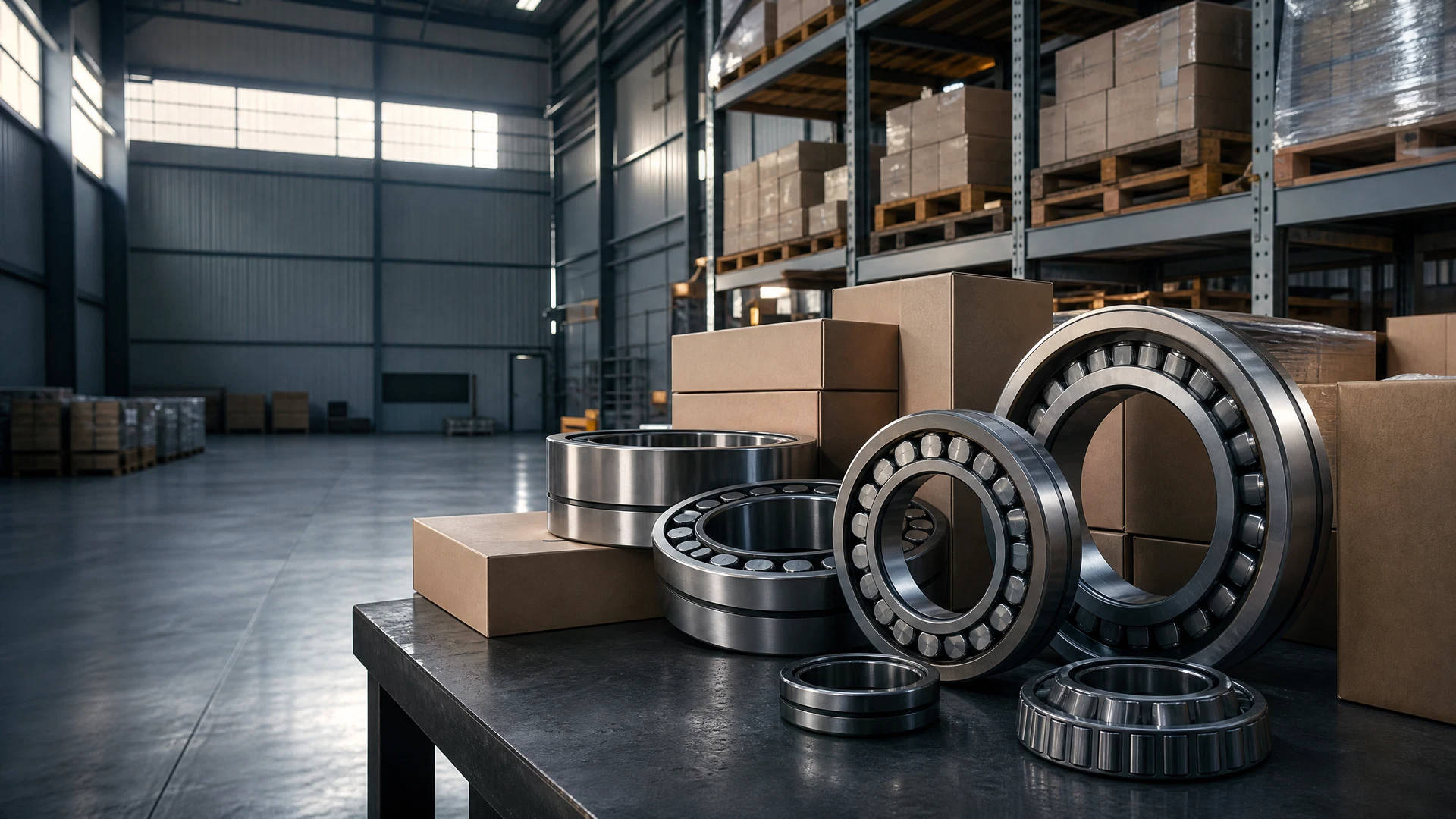
Large heavy-duty industrial bearings on a warehouse pallet, typical of spares used in cement and lime manufacturing equipment.
Facility inventory contextDocument the process, storage, release, and shutdown context behind the lot.

Commercial inventory context

Evidence before an outcome

Plant managers, maintenance supervisors, or procurement teams at cement plants, lime kilns, or aggregate facilities looking to liquidate excess spare parts, obsolete inventory from equipment upgrades, or select used bearings from scheduled maintenance turnarounds.

Identify
Manufacturer, full part number, suffix and packaging
Document
Quantity, condition, ownership and release status
Plan
Staging, pallet or crate status, access and loading facts
01

Evaluating Heavy-Duty Bearings from High-Dust Environments

Cement and lime manufacturing presents unique challenges for bearing preservation, primarily due to the pervasive presence of abrasive dust. When evaluating surplus inventory from these facilities, we focus heavily on the integrity of the original packaging and any secondary preservation methods employed. Bearings that have been stored in open environments or without adequate protective wrapping are carefully assessed for particulate contamination, which can severely impact their operational viability and resale value. We prioritize unused inventory that has been kept in clean, climate-controlled storerooms, but we also evaluate select used bearings if they show no signs of abrasive wear and have clear maintenance documentation.

02

Critical Spares for Kilns, Mills, and Crushers

The core operations in cement and lime production rely on massive rotating equipment, including rotary kilns, ball mills, and primary crushers. The bearings supporting these applications—often large-bore spherical and cylindrical roller bearings—represent significant capital investments. We are actively interested in evaluating surplus inventories of these heavy-duty components. When submitting these items for evaluation, detailed information regarding the bearing's intended application, such as trunnion support or main shaft positioning, helps us determine its marketability. Matched sets and specialized configurations, including those with specific radial clearances designed for high-temperature environments, are of particular interest.

03

Handling and Logistics for Large Industrial Spares

The physical size and weight of bearings used in cement and lime applications necessitate careful logistical planning. Transporting large kiln or mill bearings requires robust palletization, proper securing to prevent transit damage, and often specialized lifting equipment at the loading site. We work closely with sellers to understand the physical constraints of their facility and the specific requirements for safely moving heavy industrial spares. Freight coordination, loading responsibilities, and payment terms are confirmed case by case after a thorough evaluation of the inventory, ensuring a smooth transaction for complex or high-weight shipments.

Qualification framework

What a bearing buyer can evaluate from the record

Separate what the inventory is, what condition evidence shows, and which transaction facts still need review.

01

Inventory fit

  • Surplus spherical roller bearings for trunnions and kilns
  • Unused cylindrical roller bearings for crushers and mills
  • Obsolete heavy-duty pillow block units for large fans
  • Select used large-bore bearings with documented service logs
02

Condition flags

  • Abrasive dust contamination in open or poorly sealed bearings
  • Corrosion or pitting from moisture exposure in outdoor storage
  • Fretting or false brinelling from vibration during storage near active equipment
  • Degraded lubrication in sealed units due to age or high ambient temperatures
03

Review inputs

  • Bearing size and load capacity (larger, heavy-duty units often retain more value)
  • Brand reputation and original equipment manufacturer specifications
  • Completeness of matched sets or paired assemblies
  • Condition of seals, cages, and rolling elements, verified through visual inspection

Heavy bearings require proper palletization and securing for freight transport. Specialized lifting equipment may be necessary for large kiln or mill bearings. Freight arrangements are evaluated case by case based on inventory size and location. Any transport, freight, loading, removal, payment, or timing responsibility is documented only for an approved transaction.

Page-specific guidance

Questions before you submit

Answers define what to document. They do not create a purchase, price, pickup, freight, loading, payment, removal, or timing commitment.

Do you buy used bearings removed from cement kilns?

We consider select used large-bore bearings from kilns and mills, provided they have clear condition evidence, no abrasive wear, and documented service logs. We do not purchase bearings with visible damage or severe contamination.

How does dust exposure affect the value of our surplus bearings?

Abrasive dust is a primary concern. Bearings stored in sealed, original packaging retain their value best. Open or poorly protected bearings must be inspected for contamination, which can significantly reduce their valuation.

Can you handle the freight for very heavy mill bearings?

Yes, we regularly evaluate logistics for heavy industrial spares. Freight arrangements, including the need for specialized lifting equipment and truckload coordination, are confirmed case by case after we evaluate the inventory.

Private inventory submission

Start with the bearing evidence you have

Connect part numbers and quantities to current lot, label, packaging, and condition photos. Do not send confidential plant records or payment information.

  • Server-validated submission
  • Private owner review
  • No automatic purchase or price promise
01 / ContactWho controls this inventory?
02 / IdentificationWhat is on the shelf?

Submitted details and attachments are available only to the authenticated project owner.

CallQuote